How to Load a Tagging Gun: Step-by-Step Guide for Clothing and Retail Tags
How to Load a Tagging Gun: Step-by-Step Guide for Clothing and Retail Tags
Tagging guns are widely used in clothing stores, garment factories, and retail environments to attach price tags and product labels quickly. If you are new to this tool, learning how to load a tagging gun correctly is one of the first steps toward efficient tagging operations. When the fasteners are inserted improperly or the needle is not installed correctly, the tagging gun may jam, fail to feed plastic fasteners, or even damage delicate fabrics.
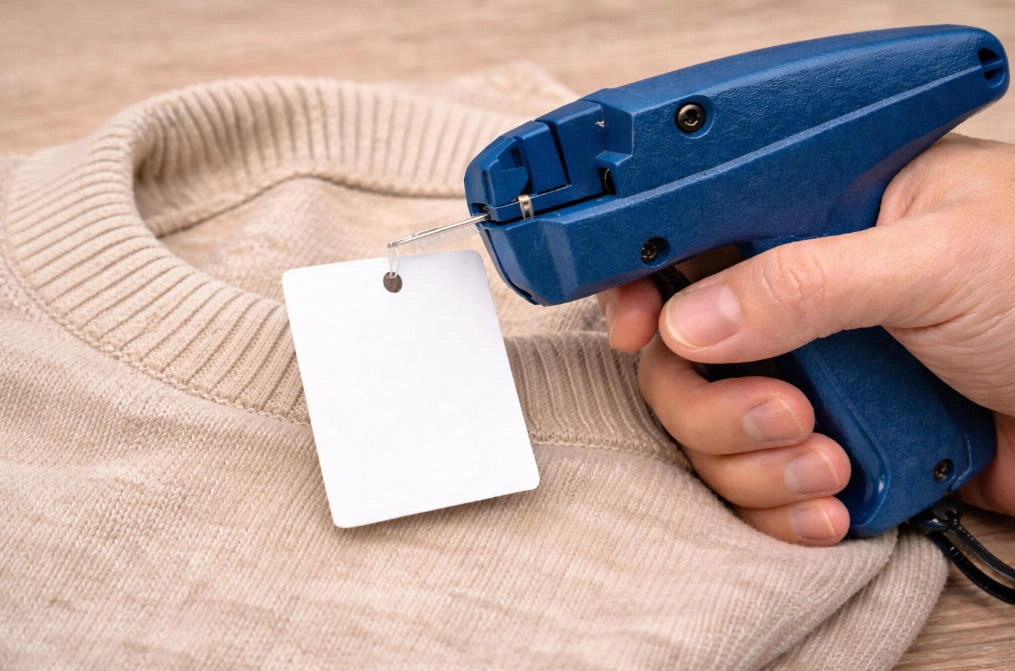
Many beginners encounter difficulties when trying to load or reload their tagging gun. Common issues include fasteners not feeding properly, the gun becoming jammed, or the needle being installed incorrectly. These problems are usually easy to solve once you understand how the mechanism works and follow the correct loading procedure.
In this guide, you will learn everything you need to know about how to load a tagging gun, including the main parts of the tool, the correct way to insert plastic fasteners, how to install or replace a tagging gun needle, and how to troubleshoot common loading issues. Whether you are working in a retail store, clothing warehouse, or garment manufacturing facility, mastering this process will help improve tagging efficiency and reduce operational errors.
What Is a Tagging Gun and How Does It Work
Before learning how to load a tagging gun, it is helpful to understand how the tool functions. A tagging gun is a handheld device designed to attach labels or price tags to products using small plastic fasteners. It works by pushing a T-bar plastic fastener through fabric or packaging material using a sharp needle.
The tool is commonly used in apparel retail, textile manufacturing, and warehouse labeling operations. When the trigger is pulled, the internal mechanism pushes a plastic fastener through the needle and out the other side of the material. The T-bar head of the fastener stays on one side while the loop holds the tag securely in place.
Because tagging guns operate through a simple mechanical system, proper loading is essential for smooth operation. If the fastener strip is not inserted correctly, the feeding mechanism may fail to advance the fasteners properly. This is why understanding how tagging guns work can help prevent many common issues.
Main Parts of a Tagging Gun
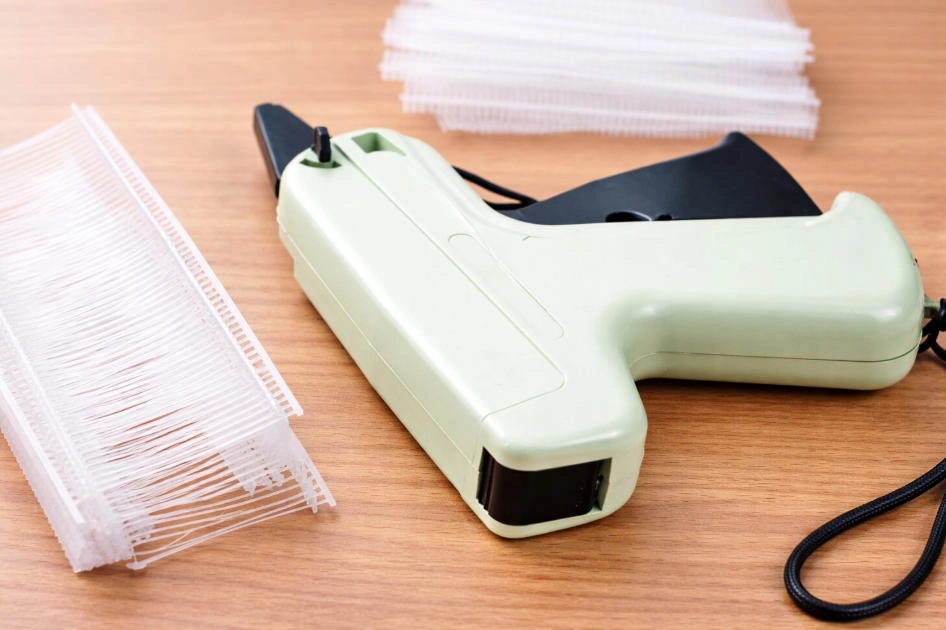
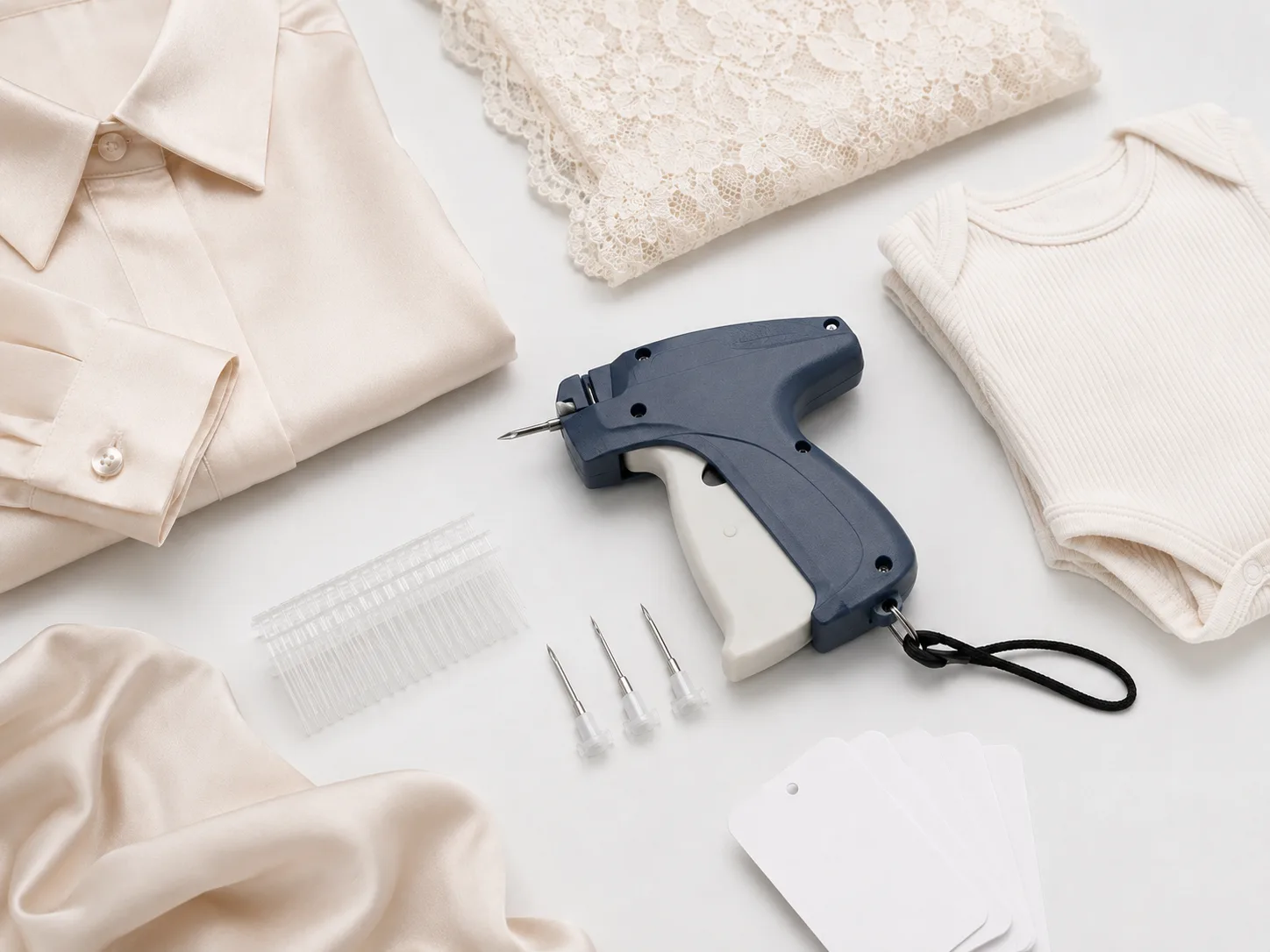
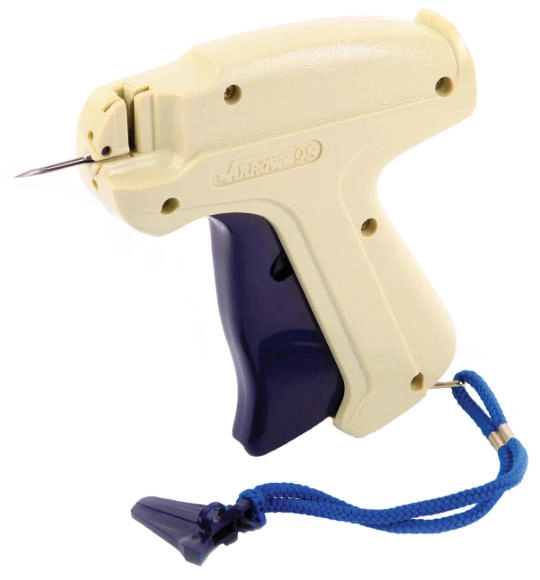
Most tagging guns share a similar design regardless of brand or model. Understanding the main parts of the tool will make it easier to follow the loading instructions.
Key components include:
• Trigger – activates the mechanism that pushes the fastener through the needle
• Needle – a hollow metal needle that guides the fastener through the material
• Fastener slot – the area where the plastic fastener clip is inserted
• Handle – provides grip and control during tagging
• Fastener feeder mechanism – advances the fasteners with each trigger pull
Each part plays an important role in the loading process. If one component is misaligned or damaged, the tagging gun may not function properly.
How Tagging Gun Fasteners Attach Tags
Plastic fasteners are the consumable material used by tagging guns. These fasteners usually come in long strips connected by thin plastic stems. Each fastener has a T-bar end and a long filament.
When the trigger is pulled, the tagging gun pushes the T-bar through the needle and into the fabric. Once it exits the needle, the T-bar opens behind the material, securing the tag in place.
Different industries use different types of fasteners, including:
• Standard fasteners for thick fabrics
• Fine fasteners for delicate fabrics
• Long fasteners for bulky products
Selecting the correct fastener type ensures smooth loading and prevents damage to products.
Parts You Need Before Loading a Tagging Gun
Before you begin loading the tool, gather the necessary components. Using compatible parts ensures reliable performance and reduces the risk of jamming.
Plastic Fasteners
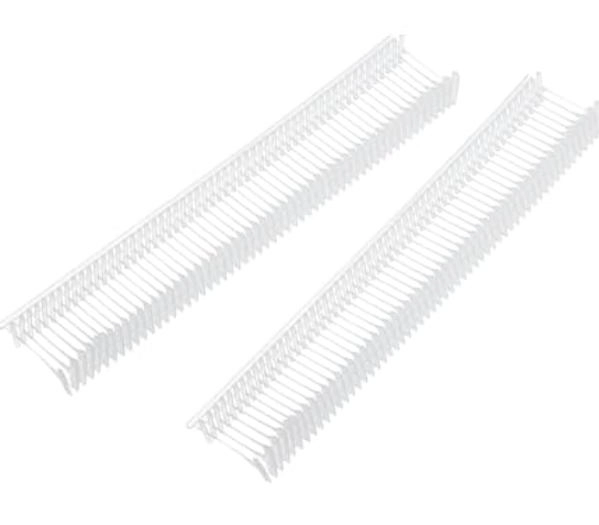
Plastic fasteners are the most important component for operating a tagging gun. They are typically made from durable polypropylene and designed to feed smoothly through the gun mechanism.
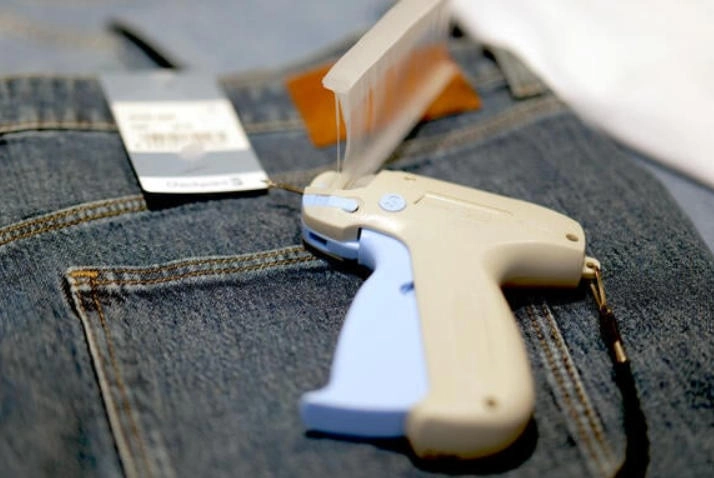
Fasteners come in various sizes and lengths depending on the application. Standard fasteners are commonly used for heavy fabrics such as denim or jackets, while fine fasteners are better suited for delicate fabrics like silk or lightweight garments.
When preparing to load a tagging gun, ensure that the fastener strip is clean, undamaged, and compatible with your gun model.
Tagging Gun Needle
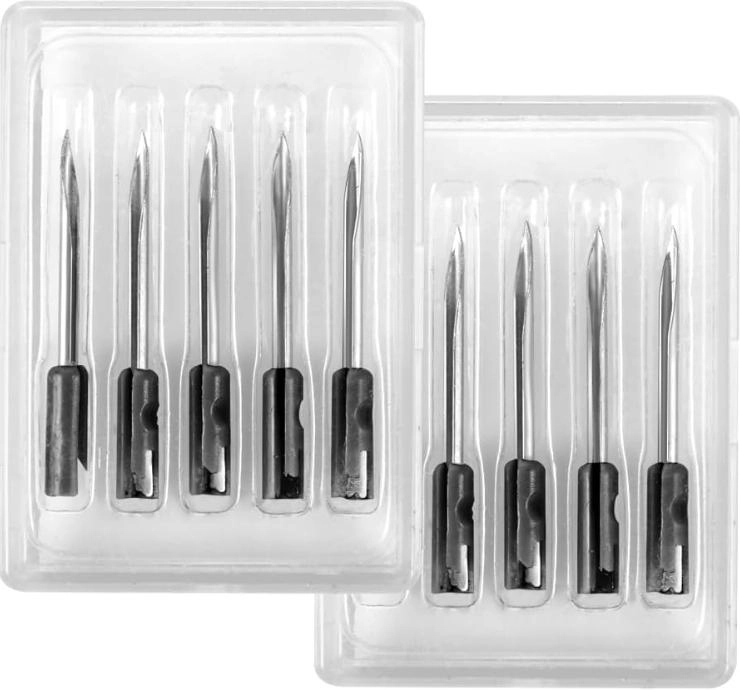
The needle is the part that penetrates the fabric and guides the fastener through the material. Most tagging guns use either standard needles or fine fabric needles.
Standard needles are thicker and designed for stronger materials. Fine needles are thinner and are used when tagging delicate fabrics to avoid visible holes.
Always inspect the needle before loading the gun. A bent or damaged needle can cause fasteners to jam or feed incorrectly.
Price Tags or Clothing Labels
Tags or labels should be prepared before tagging begins. In retail environments, price tags usually contain product information such as price, barcode, and SKU details.
The tag hole must be aligned properly with the tagging needle to ensure smooth insertion. If the tag hole is too small or misaligned, the tagging process may become inefficient.
Step-by-Step: How to Load a Tagging Gun
Now that you understand the parts involved, the next step is to follow the correct loading process. Learning how to load a tagging gun properly ensures smooth operation and prevents unnecessary downtime.
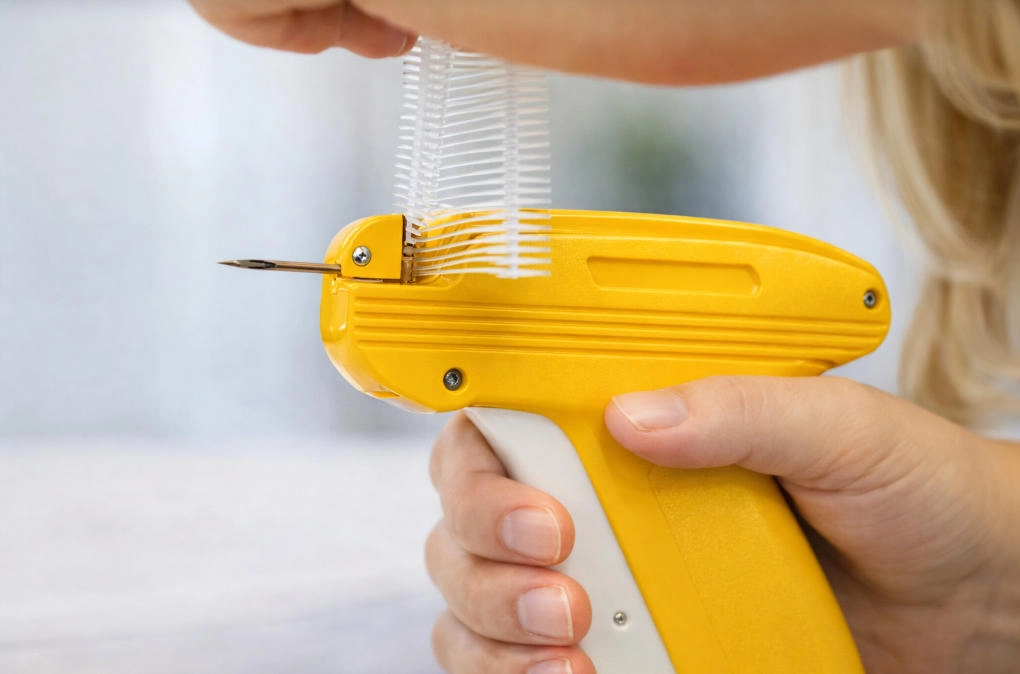
Step 1 – Open the Fastener Slot
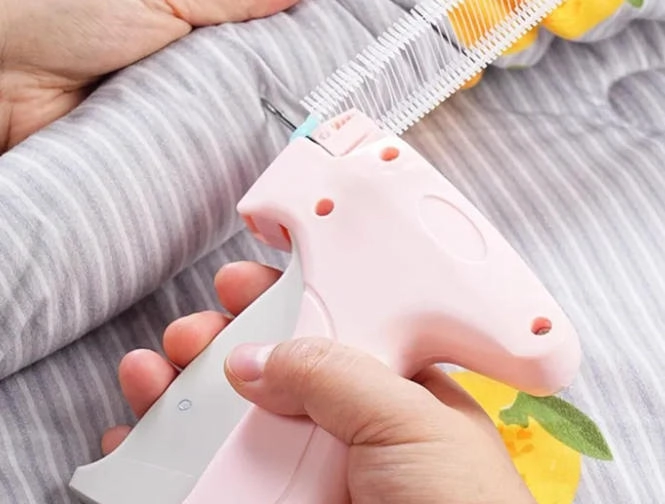
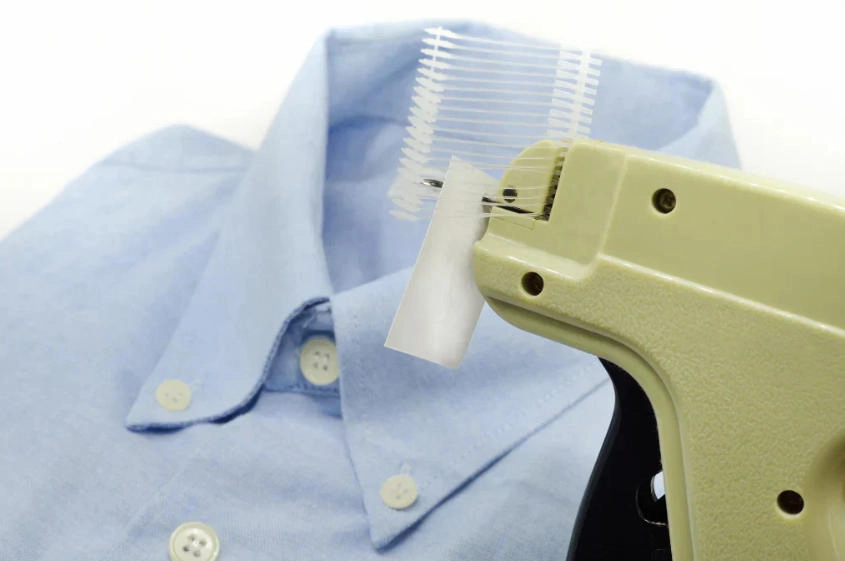
Locate the fastener slot at the top of the tagging gun. This is where the plastic fastener strip will be inserted. Most tagging guns have a clearly visible channel that guides the fasteners into the feeding mechanism.
Ensure the gun is not under tension and that the trigger is not being pressed during this step.
Step 2 – Insert the Plastic Fastener Clip
Take the strip of plastic fasteners and align it with the fastener slot. The fastener heads should face the correct direction so that the feeder mechanism can push them forward.
Gently slide the clip into the slot until it is fully seated. If the strip is inserted incorrectly, the tagging gun may fail to advance the fasteners properly.
This step is often the most important when learning how to insert fasteners into a tagging gun.
Step 3 – Pull the Trigger to Test the Feeding Mechanism
After inserting the fastener strip, gently pull the trigger several times. This allows the internal mechanism to advance the first fastener into the needle position.
If the fasteners feed smoothly, the tagging gun is loaded correctly. If the fasteners do not advance, remove the strip and reinsert it.
Step 4 – Insert the Tag Through the Needle
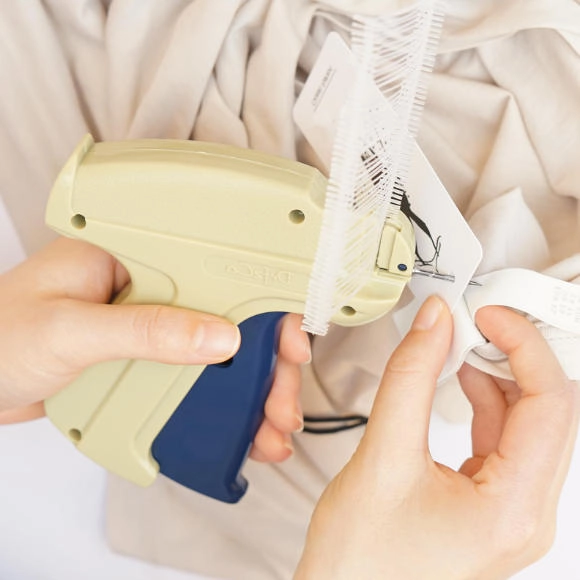
Place the tagging needle through the hole in the price tag or clothing label. Ensure the tag is positioned correctly so the fastener can pass through the hole without obstruction.
Proper tag alignment helps prevent tearing or misplacement.
Step 5 – Attach the Tag to the Product
Insert the needle through the garment seam or label area and pull the trigger. The fastener will pass through the material and secure the tag.
After releasing the trigger, gently remove the needle from the product. The tag should now be firmly attached.
How to Reload a Tagging Gun
Eventually, the fastener strip will run out and the tagging gun will need to be reloaded. Fortunately, the reloading process is nearly identical to the original loading process.
When Should You Reload a Tagging Gun
You should reload the tagging gun when:
• The fastener strip is empty
• The gun stops feeding fasteners
• Fasteners become stuck inside the mechanism
Reloading regularly ensures consistent tagging performance.
Steps to Reload Fasteners
Reloading simply involves removing the empty fastener strip and inserting a new one into the fastener slot. Once the strip is installed, pull the trigger several times to reset the feeding mechanism.
This process usually takes only a few seconds and allows tagging operations to continue without interruption.
How to Install or Replace a Tagging Gun Needle
Occasionally, the needle must be replaced due to wear or damage. A bent needle can cause jamming and poor tagging performance.
Removing the Old Needle
To remove the needle, unscrew the protective cap located at the base of the needle. Carefully pull the needle out of the gun.
Always handle needles carefully to avoid injury.
Installing the New Needle
Insert the replacement needle into the needle slot and tighten the cap securely. Make sure the needle is properly aligned before operating the tagging gun.
Safety Tips When Changing Needles
When replacing a tagging gun needle:
• Always point the gun away from your body
• Wear protective gloves if possible
• Ensure the trigger is not pressed during installation
Following these precautions helps prevent accidental injuries.
Common Problems When Loading a Tagging Gun
Even experienced users may encounter issues when loading or reloading a tagging gun.
Tagging Gun Won’t Load Fasteners
If the tagging gun does not load fasteners, check whether the fastener strip is inserted correctly. Incorrect orientation is one of the most common causes of loading failure.
Tagging Gun Is Jammed
A jammed tagging gun may be caused by a bent needle or a broken fastener lodged inside the mechanism. Removing the needle and clearing the obstruction usually resolves the problem.
Fasteners Are Not Feeding Properly
If fasteners fail to advance, inspect the fastener strip and ensure it is compatible with the gun model. Low-quality fasteners may also cause feeding issues.
Tips for Loading a Tagging Gun Faster in Retail and Clothing Production
Efficient tagging is important in high-volume environments such as retail stores and garment factories.
To speed up the process:
• Use high-quality fasteners designed for smooth feeding
• Choose the correct needle type for the fabric
• Train staff to follow standardized tagging procedures
These simple practices can significantly improve productivity in large-scale tagging operations.
Safety Tips When Using a Tagging Gun
Although tagging guns are relatively safe tools, they should always be used responsibly.
Important safety tips include:
• Never point the tagging gun at people
• Store the tool safely when not in use
• Replace damaged needles immediately
• Keep tagging guns out of reach of children
Maintaining safe operating practices helps prevent accidents and ensures reliable performance.
Tagging Gun Applications in Retail and Manufacturing
Tagging guns are widely used across various industries.

Clothing Stores
Retail stores use tagging guns to attach price labels and product information tags quickly. This allows staff to label large volumes of merchandise efficiently.
Garment Factories
In garment manufacturing, tagging guns are used for attaching size labels, branding tags, and inspection labels during production.
Warehouse Packaging
Warehouses and distribution centers use tagging guns to label packaged goods and inventory items for easier identification.
Frequently Asked Questions
Q: How do you load a tagging gun?
A: To load a tagging gun, insert the plastic fastener strip into the fastener slot, ensure it is correctly aligned, and pull the trigger several times to advance the fasteners.
Q: How do you reload a tagging gun?
A: Reloading a tagging gun involves removing the empty fastener strip and inserting a new one into the fastener channel.
Q: Why won’t my tagging gun load fasteners?
A: A tagging gun may fail to load fasteners if the strip is inserted incorrectly, the needle is bent, or the fasteners are incompatible with the gun model.
Q: Can you load different fasteners in a tagging gun?
A: Most tagging guns support specific fastener types. Standard guns use standard fasteners, while fine tagging guns require fine fasteners.
Q: Do all tagging guns load the same way?
A: Although designs may vary slightly, the basic loading process is generally similar across most tagging gun models.
Conclusion
Learning how to load a tagging gun correctly is an essential skill for anyone working in retail, garment manufacturing, or product labeling operations. Proper loading ensures smooth fastener feeding, prevents jamming, and improves tagging efficiency.
By understanding the parts of the tagging gun, inserting fasteners correctly, and maintaining the needle properly, users can keep the tool operating reliably for long periods. Whether you are labeling clothing, attaching price tags, or organizing inventory, mastering this simple process can significantly improve workflow and productivity.