How to Fix a Tagging Gun
How to Fix a Tagging Gun
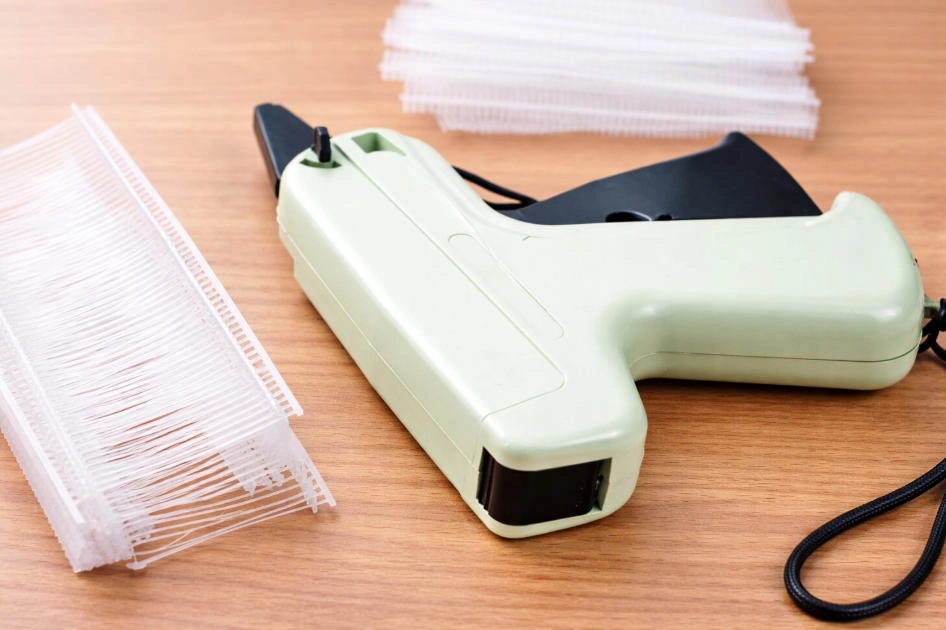
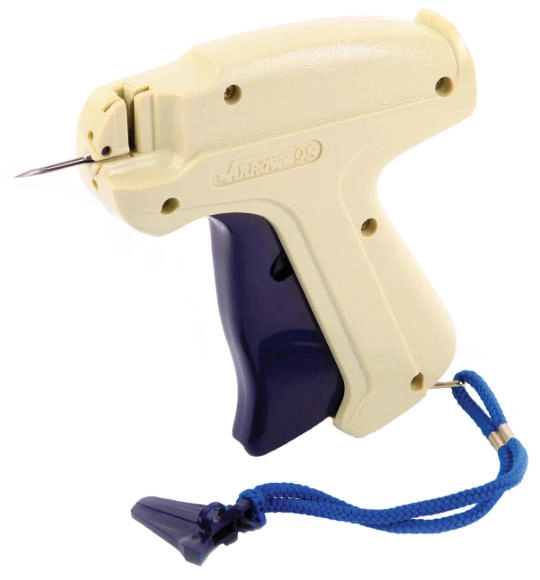
A tagging gun usually fails for a small reason, not a major one. The most common causes are a jammed fastener, a blocked or bent needle, incorrect fasteners, or a feeding problem inside the tool. Manufacturer instructions and troubleshooting guides consistently warn that repeated squeezing during a jam makes the problem worse, and they recommend unloading the tool, checking the needle, and clearing obstructions first.
This guide explains how to fix a tagging gun safely and logically. You will learn how to unjam a tagging gun, fix a tool that is not feeding fasteners, replace a bent needle, check the inside of the gun, and decide when replacement is smarter than repair. These are the same repair paths repeatedly covered in tagging gun troubleshooting resources and operating manuals.
Common Tagging Gun Problems and What Causes Them
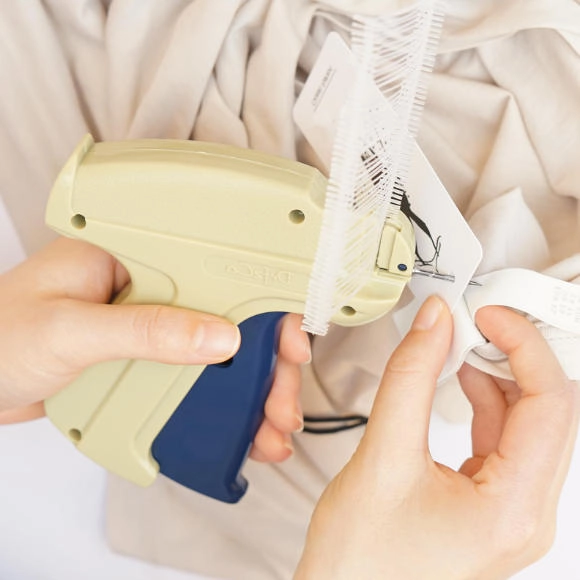
Most tagging gun problems fall into a few predictable categories. The gun may jam with plastic fasteners stuck in the slot, the trigger may stop advancing fasteners, the needle may be bent or blocked, or the gun may seem assembled correctly but still fail to fire. Manufacturer guidance and troubleshooting pages point to the same root causes: damaged fastener strips, wrong fastener type, broken plastic inside the needle tube, worn needles, and misuse during a jam.
A tagging gun can also appear “broken” when the actual issue is compatibility. Standard guns and fine-fabric guns do not always use the same needles or fasteners. If the strip does not match the tool, fasteners may not seat correctly in the channel, which leads to misfeeds, double feeds, or full jams. Several troubleshooting resources specifically identify wrong or damaged pin strips as a leading cause of failure.
Why a Tagging Gun Stops Working
A tagging gun usually stops working because the feed path is blocked or the needle assembly is compromised. If the trigger moves but nothing advances, the feeder may be obstructed by plastic debris or the fastener strip may be loaded incorrectly. If the trigger becomes hard to squeeze, the needle may be blocked or bent. If the gun fires inconsistently, the strip may be damaged or the needle may be worn. These patterns are repeatedly noted in troubleshooting guides and user support pages.
Signs Your Tagging Gun Needs Repair
Early warning signs matter. If the gun jams more often than usual, makes larger holes in fabric, fails to push fasteners through the needle, or feels rough when you squeeze the trigger, it likely needs attention. Practical maintenance advice also recommends replacing blunt or bent needles early rather than waiting for repeated jams or fabric damage.
>> Read more: Choose The Right Tagging Gun And Fasteners
How to Unjam a Tagging Gun
If your tagging gun is jammed, stop immediately. Multiple manuals and troubleshooting pages explicitly say not to keep squeezing the trigger during a miss-feed or jam, because this can worsen the blockage and damage the mechanism. The safest approach is to unload the tool, inspect the needle, clear any obstruction, and then reload carefully.
Step 1: Remove the Fastener Strip
Start by removing all unused fasteners from the tool. This is one of the first steps recommended by multiple tag gun troubleshooting sources. Take out the strip gently and inspect it for bent connectors, cracked plastic, or a section that was inserted at the wrong angle. If the strip looks distorted, do not reuse it. Damaged strips often cause repeat jams.
Step 2: Remove and Check the Needle
Most repair guides next recommend removing the needle before deeper inspection. Once the needle is out, check for a broken piece of tag pin or plastic lodged inside the needle tube. This is a very common reason a tag gun jams but still looks fine from the outside. If there is an obstruction, clear it carefully before reinstalling or replacing the needle.
Step 3: Inspect the Feed Path
After unloading the strip and removing the needle, inspect the slot and feeding channel. Look for loose plastic fragments, dust, or a section of fastener that broke off inside the mechanism. Retail troubleshooting advice for similar handheld labeling tools also recommends checking the feed path for debris before assuming the tool has failed mechanically.
Step 4: Reload Correctly and Retest
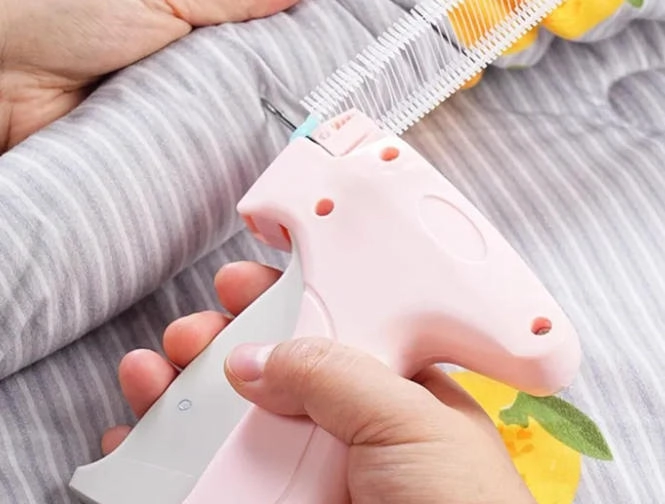
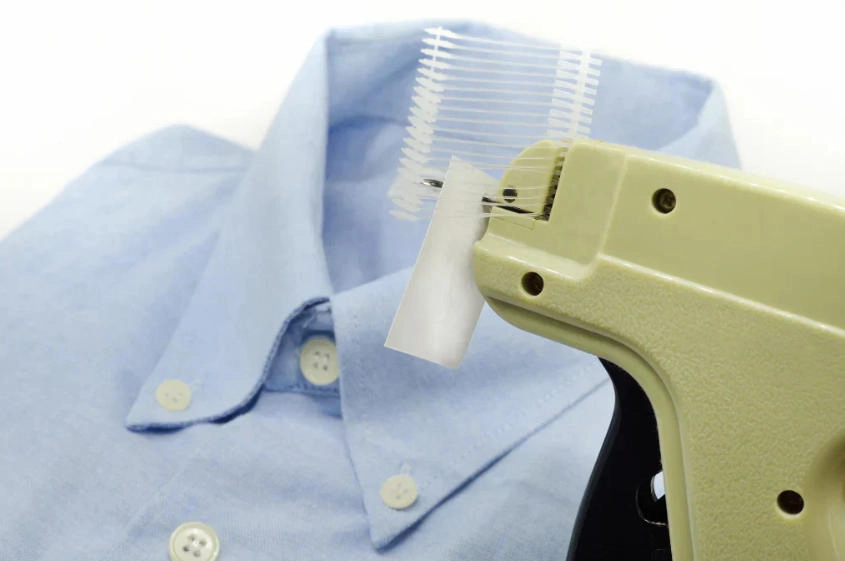
Once the gun is clear, reinstall the needle, then load a fresh undamaged fastener strip in the correct direction. Test the trigger slowly. If the fasteners move smoothly, the jam was likely caused by the strip or debris. If the gun jams again immediately, the next likely cause is a bent needle or internal feeding problem.
>> Read more: How To Load A Tagging Gun Correctly
How to Fix a Tagging Gun That Is Not Feeding Fasteners
A gun that does not feed fasteners is not always jammed in the classic sense. Sometimes the trigger works, but the fasteners do not advance into the needle. Support pages and troubleshooting guides show this usually comes from one of three issues: incompatible fasteners, incorrect strip loading, or blockage in the channel or needle.
Check Whether the Fasteners Are Compatible
Check that your fasteners match the gun type. Standard tools need standard fasteners, while fine-fabric tools require the matching fine system. Manufacturer instructions also emphasize testing the system on the actual application because different materials require different needles and fasteners. If the supplies do not match, the gun may misfeed or jam even if the loading method is correct.
Make Sure the Strip Is Inserted the Right Way
A strip inserted in the wrong direction can create a false repair problem. The gun may seem broken when the issue is simply incorrect loading. User Q&A pages show that new buyers commonly report that the strip “won’t connect” or “won’t feed through the needle,” which often points to loading or seating error rather than a failed mechanism.
Clean the Feeding Channel
Loose fastener debris can collect in the movement area and interfere with proper feeding. Maintenance advice recommends regular cleaning to prevent blockages caused by plastic residue. Even if the gun still operates, a dirty feed path can lead to inconsistent firing, double feeds, and partial jams.
How to Replace a Needle in a Tagging Gun
Replacing the needle is one of the most common tag gun repairs. Troubleshooting pages repeatedly point users to the needle first, because a blocked, bent, or damaged needle causes jams, poor penetration, and fasteners that stop before they pass through the fabric.
When the Needle Should Be Replaced
Replace the needle if it is bent, dull, visibly damaged, or repeatedly causes jams. Maintenance guidance also recommends replacing worn needles as needed to maintain quality and avoid misaligned tags or damaged garments. In practice, replacing the needle early is usually more reliable than trying to keep working with a damaged one.
Removing the Old Needle
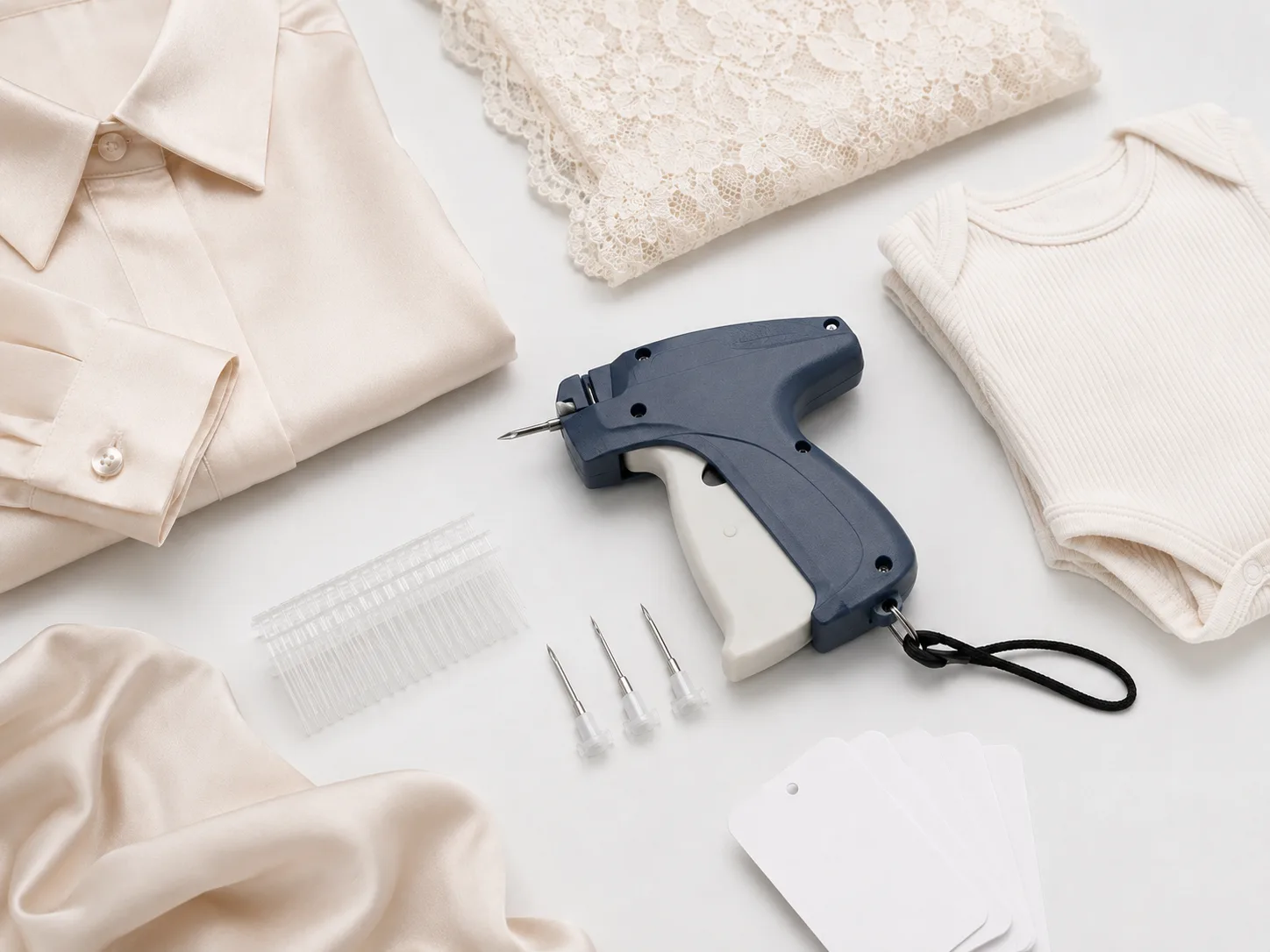
To remove the old needle, unload the tool first. Then loosen or unscrew the needle cap or release mechanism, depending on the model, and carefully pull the needle out. Troubleshooting pages and videos consistently show this as the standard sequence. Keep the gun pointed away from your body during the process.
Installing the New Needle
Insert the replacement needle fully into the same slot, making sure it is aligned correctly, then secure the locking cap or lever. Some tag gun repair instructions specifically note that the slot on the new needle must match the slot on the gun. After installation, test the tool slowly before returning to normal use.
How to Fix a Bent or Stuck Tagging Gun Needle
A bent needle should usually be replaced, not straightened and reused. Troubleshooting tables and maintenance advice treat bent or broken needles as replacement issues because they can make holes too large, fail to penetrate properly, or keep causing jams.
If the needle is stuck, remove the cap or release mechanism first and inspect for trapped plastic. Do not force it. A broken piece of fastener inside the tube can hold the needle in place. Clear the obstruction first, then remove the needle. If the needle still does not move or the tip is visibly distorted, replace it.
How to Open and Reassemble a Tagging Gun
You do not always need to open the body of the gun. Most jams can be solved by unloading fasteners, removing the needle, and clearing the blockage. Open the housing only when the problem clearly appears internal, such as a trigger that does not move, a plunger that does not return, or visible internal damage. Current troubleshooting content treats full opening as a later repair step, not the first one.
Basic Internal Parts to Check
Once open, inspect the trigger linkage, spring, feeder, and plunger path. A spring out of place, a plastic fragment in the movement channel, or a feeder that no longer sits correctly can stop the gun from advancing fasteners. Internal diagnosis tables for tagging guns commonly map these exact symptoms to these parts.
Reassemble and Retest
When reassembling, return each part to its original position, close the body securely, reinstall the needle, and test the trigger without forcing it. If the trigger still sticks or the feeder still fails, the internal wear may be too significant for a practical repair. At that point, replacing the tool is often more efficient. This is an inference from the repeated repair guidance that simple faults are fixable, while recurring mechanism faults often indicate deeper wear.
Safety Tips When Repairing a Tagging Gun
Safety is not optional here. Manufacturer safety manuals recommend using a protective tagging glove, keeping the needle guard on when the tool is not in use, and avoiding repeated trigger squeezing during a jam. They also stress that needles can be hazardous if mishandled.
When fixing a tagging gun, point it away from your body, keep fingers clear of the needle area, do not press the trigger while changing the needle, and work on a stable surface. If you share tools in a workplace, follow your site’s safety procedures for needles and disposal. Those precautions are consistent with manufacturer-issued tagging gun safety guidance.
Preventive Maintenance Tips to Keep a Tagging Gun Working Properly
Good maintenance prevents most repair problems. Practical tagging gun care advice recommends regular inspection, replacing worn needles promptly, keeping the tool clean, and storing both the gun and fasteners in a clean, dry place. This reduces debris buildup, misalignment, and preventable jams.
Before a large tagging job, test the gun on the actual material. Manufacturer guidance recommends testing the tagging system on each application because different materials may require different needles or fasteners. This simple step can prevent fabric damage and reduce repair issues caused by using the wrong setup.
When You Should Replace the Entire Tagging Gun
Sometimes repair is not worth it. If the housing is cracked, the trigger system is damaged, the internal feeder is badly worn, or the gun continues to fail after cleaning, unjamming, and needle replacement, replacement is usually the better option. This is also consistent with maintenance advice that focuses on routine fixes for consumable and obstruction issues, not severe structural failure.
Replacement also makes sense when your current model no longer matches your work. If you regularly tag delicate fabrics, a fine-fabric tool may be more appropriate. If you are forcing a general tool into the wrong application, you will keep experiencing jams and poor results even after repairs. Manufacturer instructions explicitly note that different materials require different tagging needles and fasteners.
FAQ About Fixing a Tagging Gun
Why is my tagging gun jammed?
Usually because of a broken plastic piece, a blocked needle, a damaged fastener strip, or incorrect loading. Troubleshooting pages consistently point to those causes first.
How do you unjam a tagging gun?
Unload the fasteners, remove the needle, check for broken plastic inside the needle or slot, clear the blockage, then reload with a fresh strip. Do not keep squeezing the trigger during the jam.
Why is my tagging gun not feeding fasteners?
Common causes are wrong fasteners, incorrect strip direction, a blocked feed channel, or plastic debris inside the movement path. User support and troubleshooting pages show this is one of the most frequent complaints.
How do you replace a tagging gun needle?
Unload the tool, release or unscrew the needle lock, remove the old needle, insert the new one in the correct slot, and secure it before testing the gun.
Can a bent tagging gun needle be fixed?
Usually it should be replaced instead. Bent needles commonly lead to larger holes, poor penetration, and repeat jams.
What should I do if my tagging gun still does not work after repair?
Recheck fastener compatibility, needle alignment, and internal debris. If the mechanism still fails after cleaning and needle replacement, replacing the gun is often more practical than continued repair.
Conclusion
Most tagging gun problems are fixable. If you approach the issue in the right order—unload the fasteners, inspect the needle, clear debris, verify compatibility, and replace worn parts when needed—you can solve the majority of jams and feeding failures without much downtime. That repair sequence is strongly supported across troubleshooting pages, operating instructions, and maintenance guidance.
The best long-term strategy is not just learning how to fix a tagging gun, but also learning how to prevent the same failure from returning. Use the right fasteners, replace worn needles early, keep the channel clean, and stop immediately when the gun jams. That combination will give you better tagging consistency, less garment damage, and fewer interruptions in daily work.