

WHO WE ARE
Hebei Hanze International TradeCo., Ltd. was established in 2013.
HanzeLtd is a comprehensive trading company that integrates research and development, production, and sales.
Hanze Ltd adheres to the business philosophy of “integrity, professionalism, and win-win”, and is committed to providing customers with high-quality and efficient trade services.
Hanze Ltd is mainly engaged in the production and sales of garment, textiles, printing and related products, committed to serving garment factories,textile factories,printing factories, advertising companies, etc. in the worldwide, able to meet the needs of different customers and provide one-stop solutions.

26 +
Printing Experience

50 +
Exported Countrie

3500 m²
Covering an Area Of Land

80 +
Employees


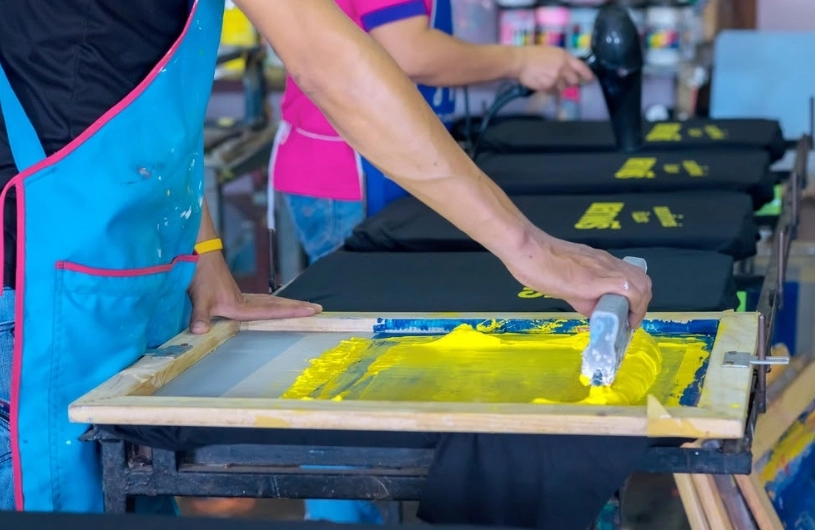
Screen Printing Products

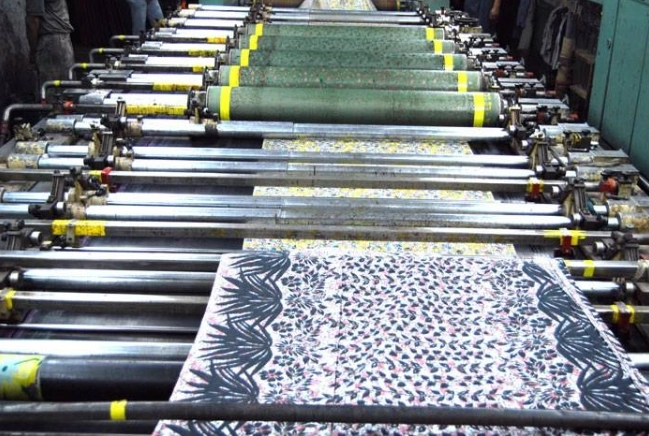
Rotary Screen Printing

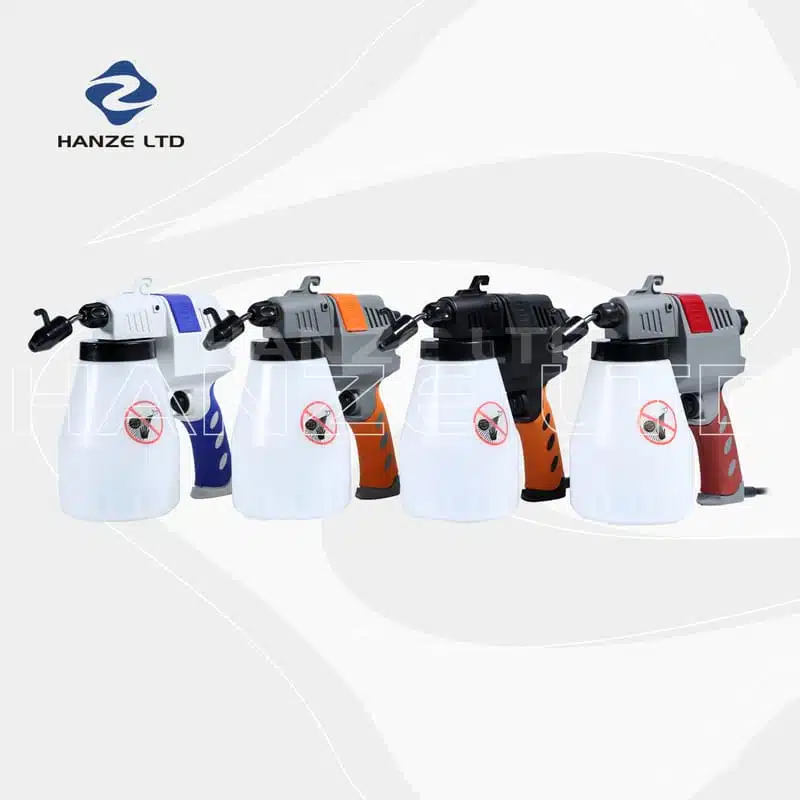
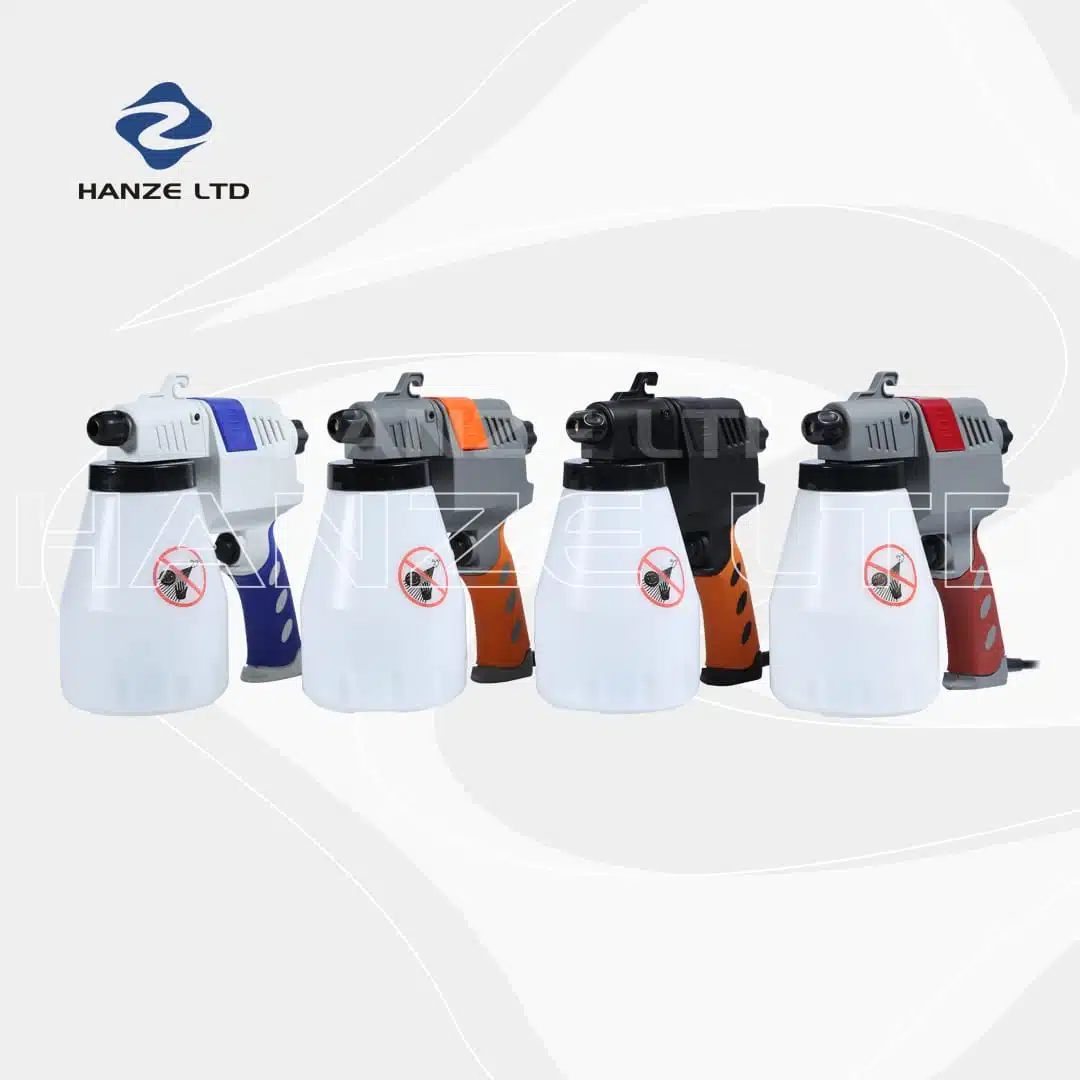
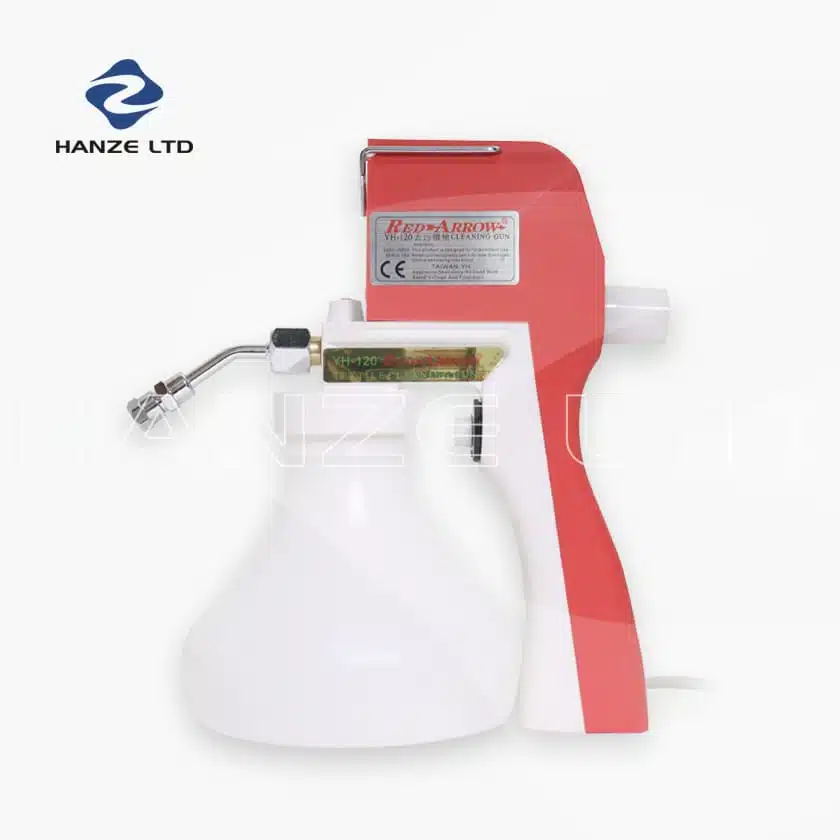
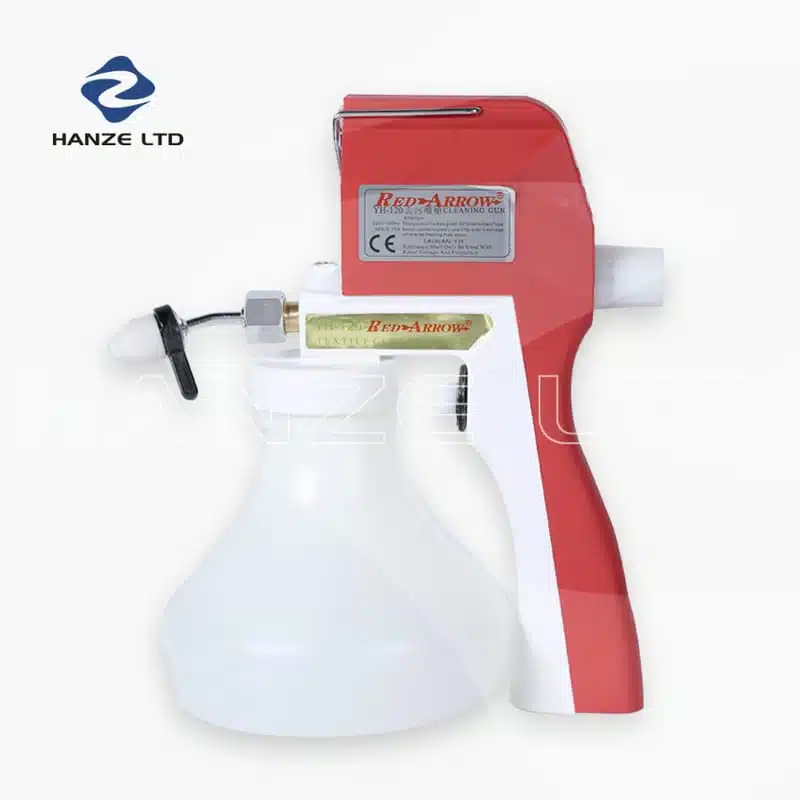
Spot Cleaning Gun
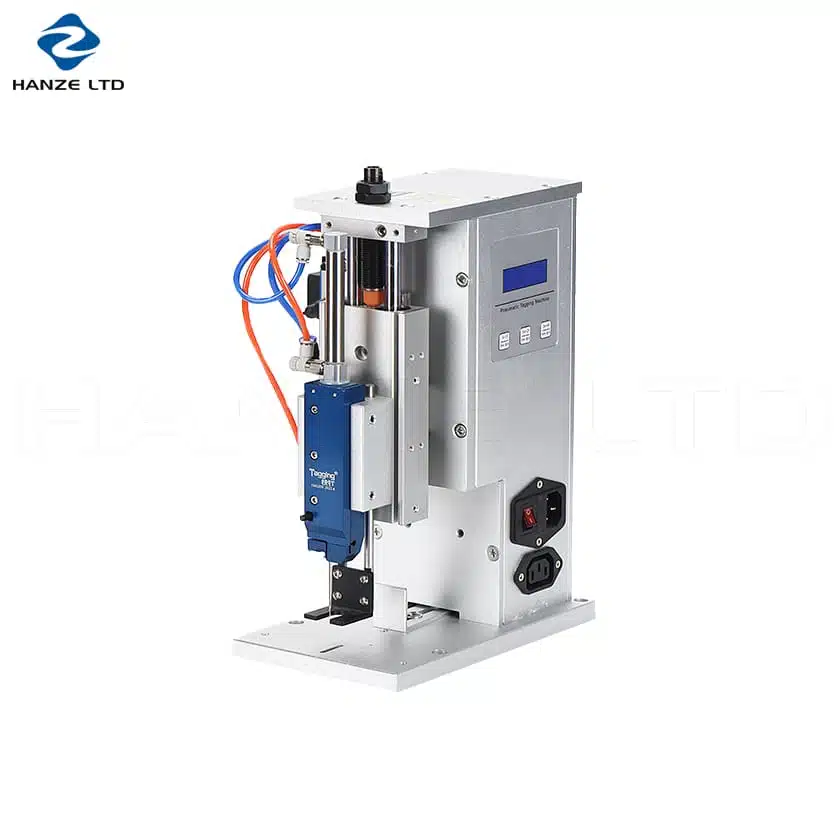
Tagging Gun
Hot Products
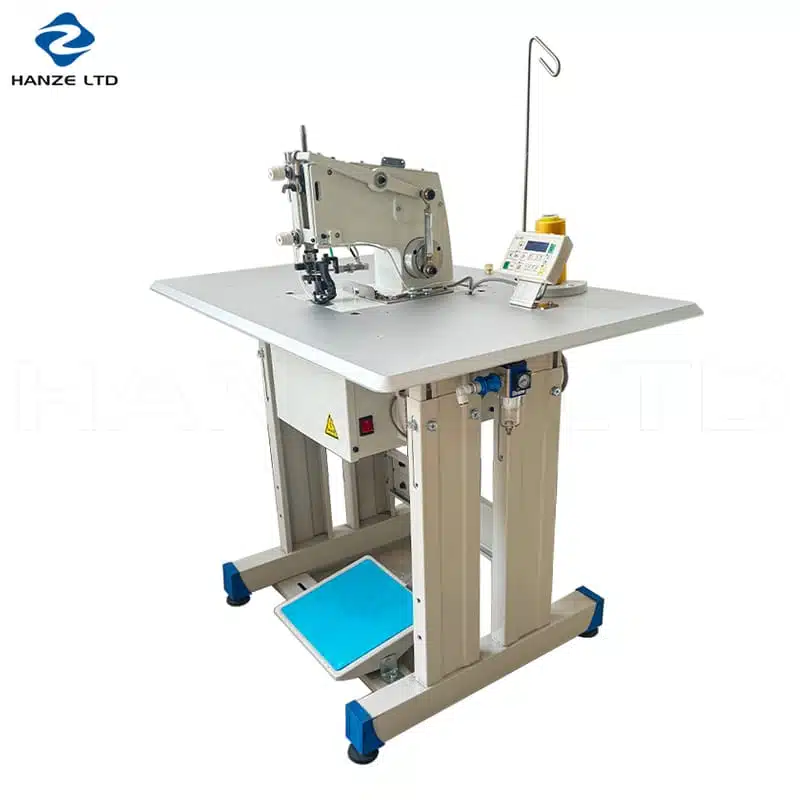
Factory Show