How to Use a Clothing Tagging Gun – Step-by-Step Guide
How to Use a Clothing Tagging Gun – Step-by-Step Guide
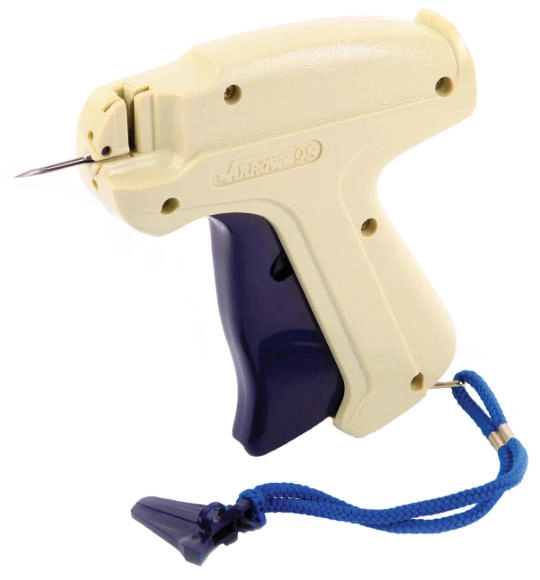
Price tags, size tags, and hang tags are usually the last step before garments leave a factory, warehouse, or packing line. A tagging gun looks simple, but consistent results depend on choosing the right needle, loading fasteners correctly, and tagging in the right location so you don’t damage fabric or create visible holes. This guide walks you through the full process—from setup to troubleshooting—so you can tag faster, reduce rejects, and keep your team safe.
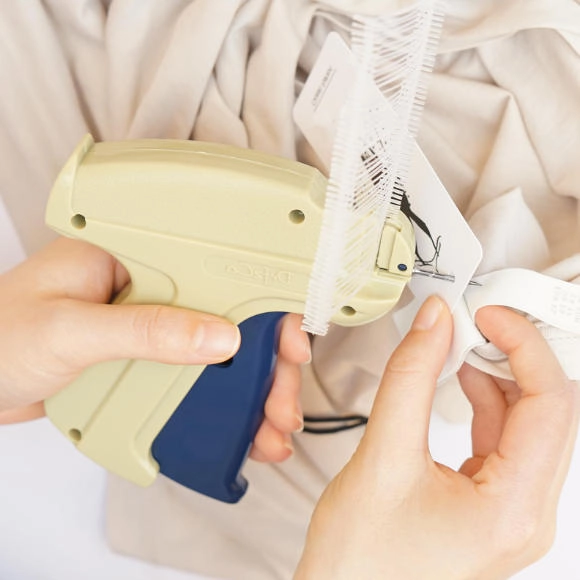
What You’ll Need (Checklist)
Before you start, set up a clean workstation and prepare everything so you can tag continuously without stopping.
Tools
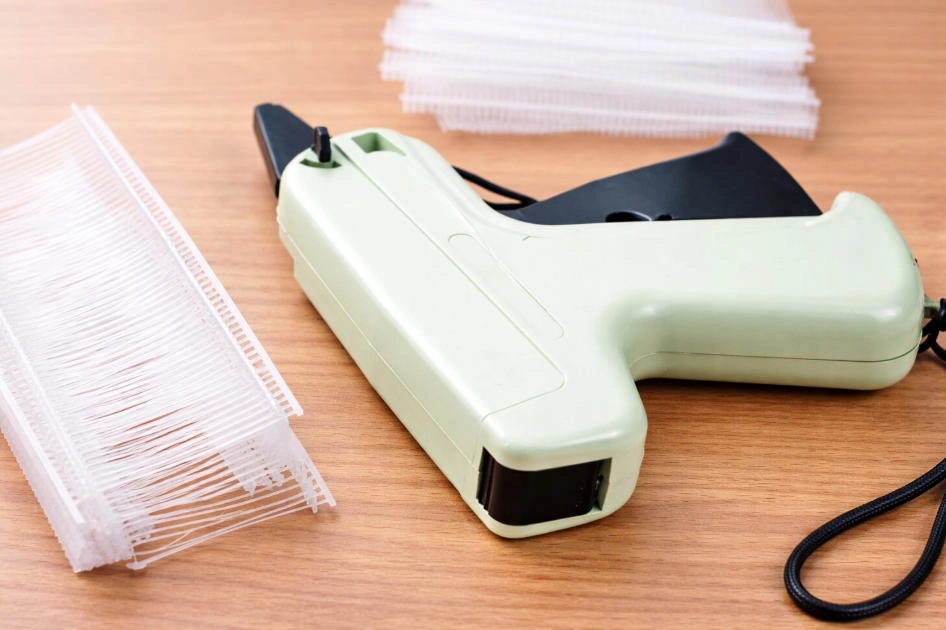
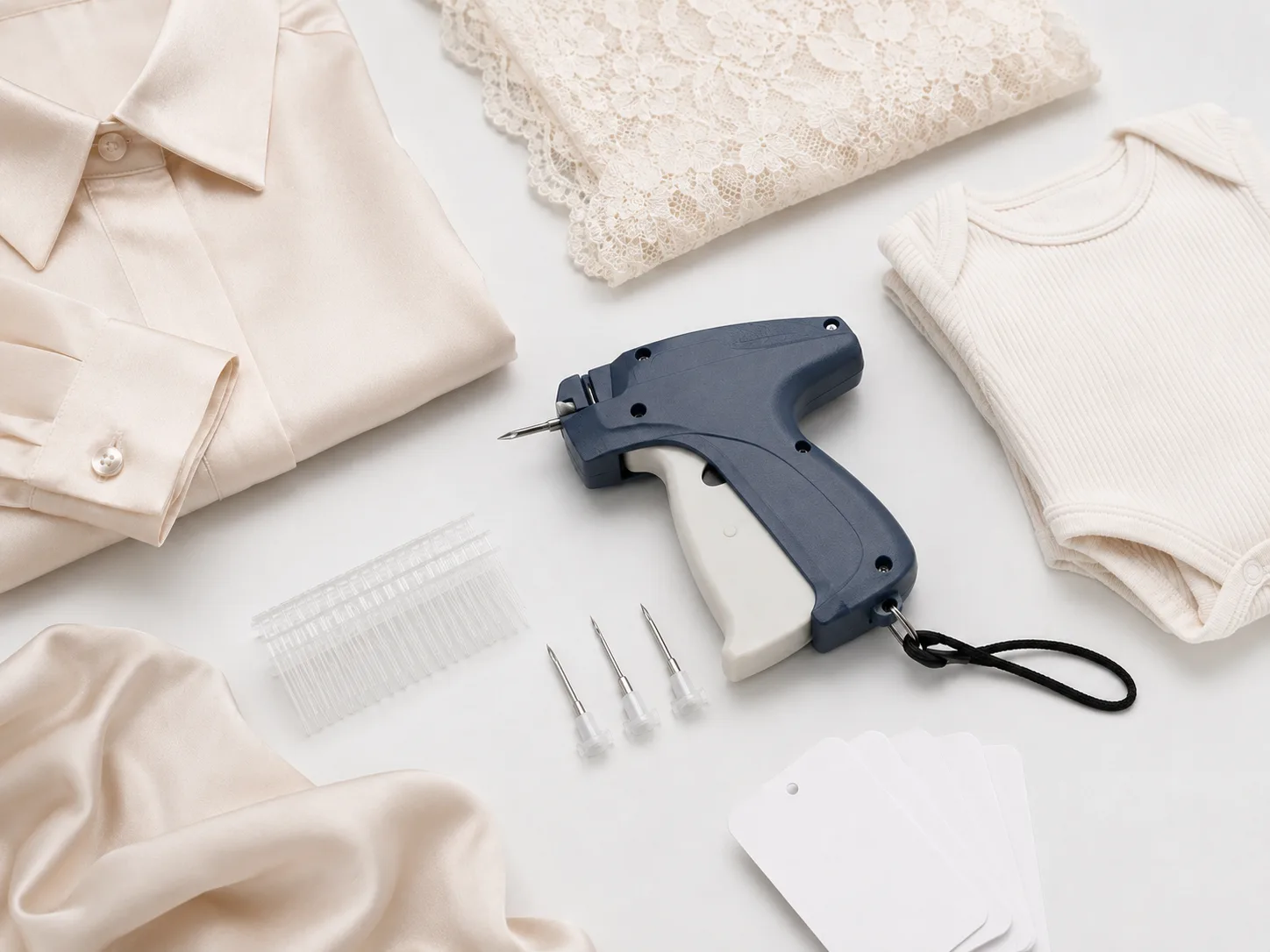
•Clothing tagging gun (standard or fine-fabric model)
•Compatible tag gun needle (standard / fine / heavy-duty / long, depending on fabric)
•Needle cap/guard (use whenever the gun is not in active use)
•Spare needles (recommended for production lines)
Consumables
•Plastic fasteners (also called tag pins / barbs / T-end fasteners—usually in clips or rolls)
•Hang tags / price tags / size tags (preferably with pre-punched holes)
•Optional: reinforcement stickers (clear hole reinforcers) for thin paper tags
Safety
•Cut-resistant or puncture-resistant gloves (especially for new operators)
•A small “test scrap” fabric piece to confirm needle choice and hole visibility
Method 1: Choose the Right Tagging Gun + Needle + Fastener Length

Most fabric damage problems come from mismatch—not “bad technique.” Before tagging a full batch, match your setup to the garment.
1) Pick the right needle type
Use this as your quick decision guide:
•Fine needle (fine fabric needle): Best for delicate fabrics where you want the smallest possible puncture and lower risk of runs or snags.
•Standard needle: Works for many everyday garments and medium-weight textiles.
•Heavy-duty needle: More resistant to bending on thicker materials, but can create a more noticeable hole.
•Long needle: Helpful when you must reach through thicker layers, seams, or deeper tag placement points.
Production tip: If you’re unsure, start with a fine needle and test on a hidden area. If the needle bends or struggles to pass, step up to standard or heavy-duty.
2) Choose fastener (tag pin) length
Fasteners that are too long often cause two problems: the tag swings more and gets snagged more easily. For most apparel tagging, shorter fasteners are safer and cleaner unless you need extra clearance for thick folds or multiple layers.
Rule of thumb
•Thin/medium garments + single tag: short fastener
•Thick garments, multi-layer tagging, or bulky seams: medium fastener
•Special cases only: long fastener
3) Set a consistent “tagging point”
For bulk work, standardize exactly where you tag each style. A consistent tagging point reduces visible holes and keeps your packing line consistent.
Best common tagging locations:
•The garment’s internal label area (main label or care label region)
•The inside seam allowance (interior side seam, interior hem)
•The hanger loop or label loop (if the garment is designed for it)
Avoid:
•The front chest, thighs, or other high-visibility panels
•Thin outer-shell areas on delicate fabrics where a hole can be obvious
Method 2: Load the Plastic Fasteners Correctly (Avoid Jams)
Loading varies slightly by model, but the core principles are the same: align fasteners with the feed path, seat them properly, and test feed before tagging garments.
Step-by-step loading
1. Put the needle cap on (or keep it on if it’s already in place).
2. Open the fastener compartment or loading slot (side or rear, depending on the gun).
3. Insert the fastener clip/roll so it sits flat and feeds smoothly (no twisting or sharp bends).
4. Guide the fastener strip into the feed channel until it reaches the drive wheel/advance mechanism.
5. Pre-feed 2–3 triggers while the needle cap is still on to confirm smooth advancement.
6. Close the compartment securely.
Common loading mistakes (and how to avoid them)
•Fastener strip not seated in the track: This causes “trigger clicks” with no pin output. Push the strip fully into the channel.
•Fastener strip bent sharply: Straighten it before feeding; sharp bends create friction and jams.
•Using incompatible fasteners: Always match fastener type to gun model. If it feeds inconsistently, confirm compatibility.
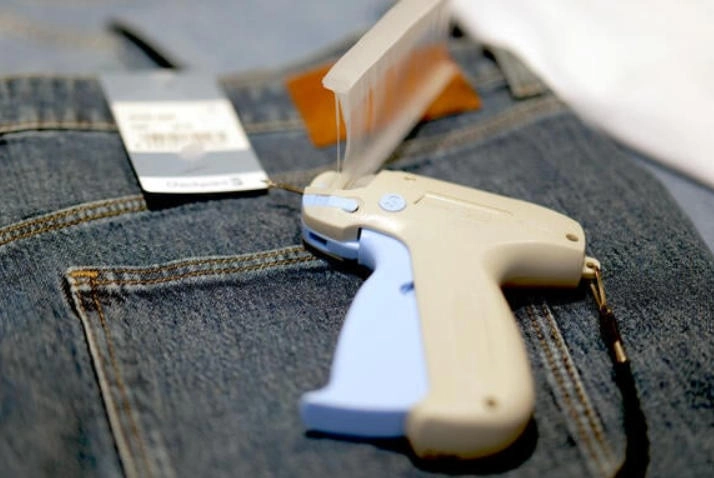
Method 3: Attach a Hang Tag to Clothing (Best Technique for Clean Results)
Now you’re ready to tag garments. Your goal is a clean attachment that’s secure but not damaging.
Step 1: Prepare the hang tag
•Use the hang tag’s pre-punched hole if available.
•If the tag paper is very thin, add a hole reinforcement sticker to prevent tearing.
•Keep barcodes and QR areas clear—don’t place the fastener through scannable zones.
Step 2: Choose the exact piercing point on the garment
For most clothing, the safest option is to tag through an internal label region or seam allowance. This keeps the puncture hidden and reduces the chance of visible marks.
Recommended:
•Through the care label area (not through printed text if possible)
•Through seam allowance inside the garment
•Through a designed loop or label tab
Use caution on:
•Silk-like fabrics, very loose knits, lace, thin chiffon, and fabrics with a high snag risk
For these, test first and consider fine needles.
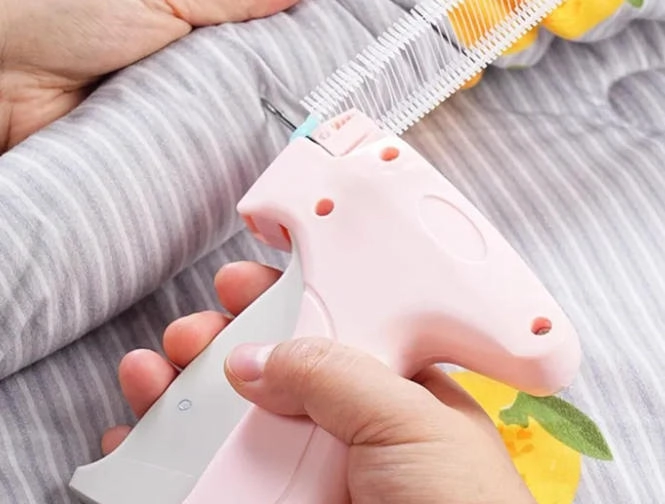
Step 3: Tagging action
1. Hold the garment stable so fabric does not stretch.
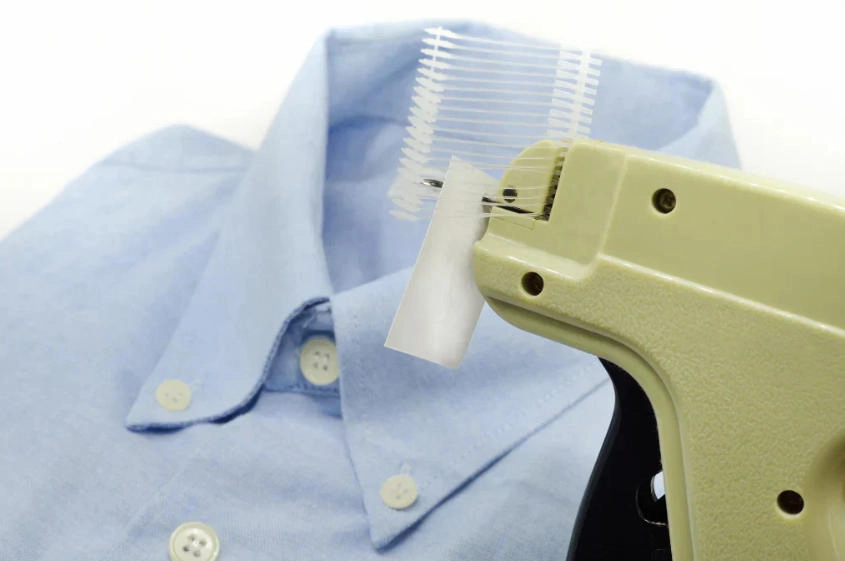
2. Slide the hang tag hole onto the needle area (so the fastener will pass through the tag hole).
3. Align the needle perpendicular to the tagging point.
4. Push the needle through in one smooth motion—avoid twisting.
5. Squeeze the trigger fully and release.
6. Pull the needle out straight.
7. Check the fastener: the crossbar should lock properly and the tag should hang freely.
Step 4: Quality check
For production tagging, build this quick check into your routine:
•Tag is secure and won’t fall off with a light tug
•Fastener is not partially formed or “half-fed”
•Tag hole isn’t tearing
•No visible damage in the garment’s outer appearance
Method 4: Stop, Store, and Maintain the Tagging Gun
Small habits prevent big downtime. These steps are simple but save money on needles and reduce operator injuries.
When pausing or ending a shift
•Put the needle cap/guard back on immediately.
•Store the gun in a dedicated location to avoid drops.
•Keep fasteners dry and clean; dust and debris increase feed issues.
Quick daily maintenance
•Wipe the needle and nose area to remove lint.
•Check the needle for:
- bends
- dullness
- burrs or rough spots
A damaged needle increases fabric damage risk and causes misfeeds.
Method 5: Replace a Tag Gun Needle
Needles bend, dull, or snap—especially on thick seams or when dropped. Replace needles as soon as you notice feed problems or fabric damage.
Needle replacement steps
1. Unload fasteners or stop feeding (depending on your model).
2. Cap the needle if possible and point the gun away from your body.
3. Locate the needle lock (often a twist-lock collar or needle retainer).
4. Unlock it and remove the old needle straight out.
5. Insert the new needle by aligning any slot/flat edge with the gun’s needle channel.
6. Lock it firmly back in place.
7. Test fire on scrap fabric before returning to production.
Tip: Keep spare needles at the station. If your line tags thousands of items per day, treat needles as routine consumables.
Troubleshooting: Common Tagging Gun Problems
Problem 1: The gun clicks but no fastener comes out
Likely causes
•Fastener strip not seated in the feed track
•Fasteners incompatible with the gun
•Feed wheel not engaged due to misalignment
Fix
•Open the compartment, reseat the fastener strip into the channel, and pre-feed a few triggers.
Problem 2: Fasteners jam inside the nose
Likely causes
•Fastener strip bent or dirty
•Partial feed due to rapid trigger pulls during resistance
•Lint buildup near the nose
Fix
•Stop triggering. Remove fasteners safely, clear the jam, clean lint, and reload carefully.
Problem 3: Tags fall off easily
Likely causes
•Fastener too long (more snagging and movement)
•Tag hole tearing (paper too thin)
•Fastener not fully locking (partial feed)
Fix
•Switch to shorter fasteners, reinforce tag holes, and check for smooth feeding.
Problem 4: Fabric shows a visible hole or snag
Likely causes
•Needle too thick for the fabric
•Tagging in a high-visibility outer panel
•Needle bent or dull
Fix
•Switch to a fine needle, move tagging point to label/seam allowance, and replace worn needles.
Problem 5: Needles bend frequently
Likely causes
•Tagging through thick seams with a standard needle
•Twisting the needle while piercing
•Dropping the gun (needle impacts often cause bending)
Fix
•Use heavy-duty needles for thick areas, pierce straight, store the gun properly.
Safety Rules
•Always cap the needle when not tagging.
•Do not point the needle toward your body or another person.
•Do not share needles between operators if your workplace has strict hygiene or safety policies.
•Do not “force trigger” repeatedly during a jam—this can worsen damage and increase injury risk.
•If a needle breaks, stop immediately and locate all needle fragments before continuing.
FAQ
1) Where should I tag garments to avoid visible holes?
Tag through internal labels (main label/care label area) or seam allowances inside the garment. Avoid outer panels whenever possible.
2) Which needle should I use for delicate fabric?
Use a fine needle and test on a hidden area first. If the needle bends or struggles, move up to standard needle only when necessary.
3) What fastener length is best for clothing tags?
Shorter fasteners are usually better for clothing because they reduce swinging and snagging. Use longer fasteners only for thicker layers or special placements.
4) How do I reduce jams in high-volume tagging?
Load fasteners carefully, keep the nose area clean of lint, avoid bending the fastener strip, and stop triggering immediately if resistance increases.
5) How often should I replace needles?
Replace needles whenever you notice bending, dullness, more frequent misfeeds, or increased fabric damage. In high-volume environments, keep spare needles at every station.