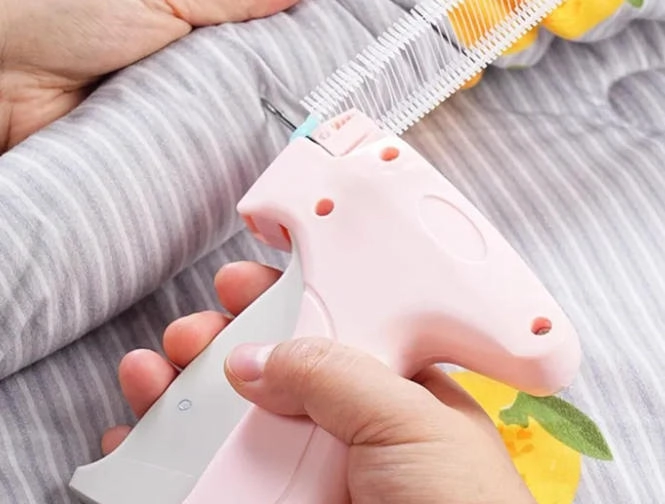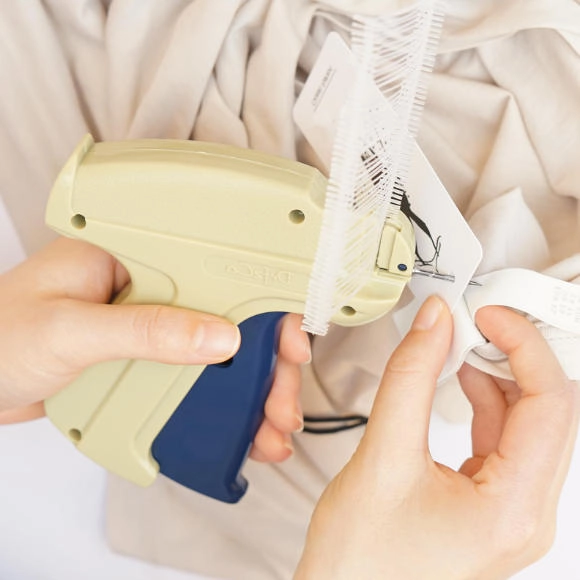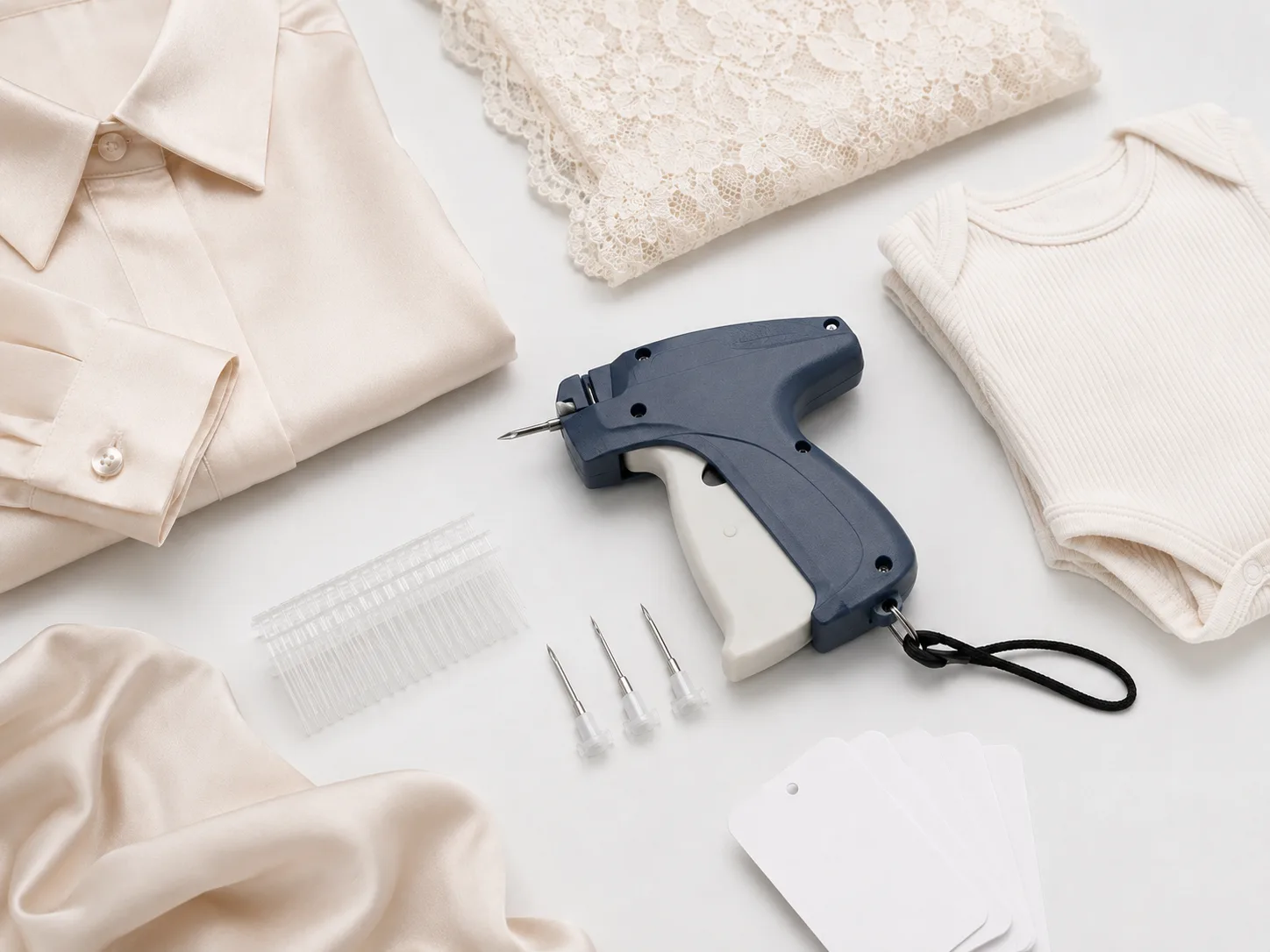
Tagging Gun Fastener Sizes Guide
Tagging Gun Fastener Sizes Guide
Choosing the right tagging gun is important, but choosing the right fastener size is just as important if you want clean presentation, secure attachment, and smooth day-to-day operation. Many tagging problems do not come from the gun itself. They come from using a fastener that is too short, too long, or not suitable for the product being tagged.
A fastener that is too short can pull the tag too tightly against the product, create an awkward appearance, and even put unnecessary stress on the fabric. A fastener that is too long can leave the tag hanging loosely, make the display look messy, and reduce stability during handling or transport. The right size creates a better balance. It keeps the tag secure while helping the product look neat on the shelf, rack, or packaging line.
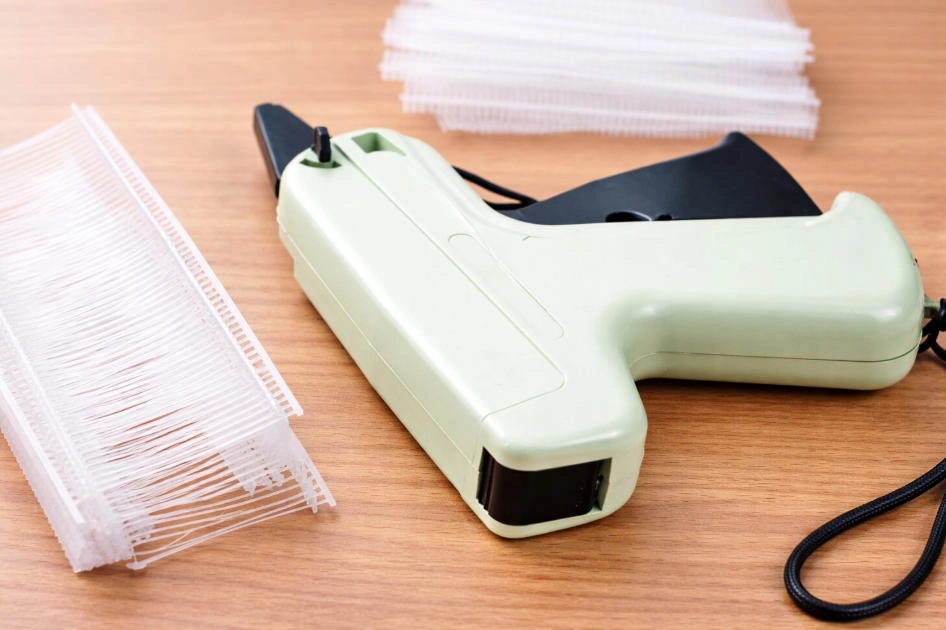
This guide explains what tagging gun fastener sizes mean, how common length ranges are used, and how to choose the right fastener for shirts, sweaters, socks, towels, plush items, and other products. It also covers compatibility, common mistakes, and practical tips to help you improve tagging results across different applications.
What Tagging Gun Fastener Size Actually Means
When buyers talk about tagging gun fastener size, they are usually referring to the length of the plastic fastener. This is the part that connects the tag to the product after it passes through the fabric or attachment point. In practical terms, the fastener length determines how closely or loosely the tag sits against the item.
That may sound simple, but the effect is significant. A small change in fastener length can alter the way a product looks after tagging. It can also affect how easy the fastener is to apply and how well the tag stays positioned during display, packing, shipping, and customer handling.
Fastener size is not only about whether the pin can go through the product. It is also about whether the finished result looks professional. For many retail and garment applications, appearance matters almost as much as hold. A tag that sits naturally and neatly helps products look more organized, especially in stores, showrooms, and wholesale packing environments.
In short, the correct size helps you achieve three goals at the same time: secure attachment, better presentation, and more efficient operation.
Common Tagging Gun Fastener Lengths and What They Are Used For
Fastener sizes vary by supplier, but in most cases they can be grouped into three practical categories: short, medium, and long. This approach is often more useful than focusing on an exact number first, because buyers usually start by asking what kind of product they are tagging rather than what millimeter size they need.
Common Tagging Gun Fastener Lengths and Typical Uses
Fastener Length Range | Typical Use | Suitable Products | Notes |
|---|---|---|---|
Short | Close, neat attachment | T-shirts, shirts, underwear, lightweight items | Keeps the tag close to the product |
Medium | General-purpose tagging | Most garments, socks, caps, common retail goods | Balanced hold and appearance |
Long | More room for thick or grouped items | Sweaters, towels, blankets, plush toys, bundled products | Better for bulky products and thicker materials |
Short Fasteners
Short fasteners are often used for lightweight or thin products. They help keep the tag close to the item, which creates a tidy look. This is especially useful for garments such as T-shirts or lightweight shirts, where too much slack can make the display look loose or untidy.
They are also a good choice when the product needs a compact presentation. If an item will be folded, packed tightly, or displayed with minimal movement, a shorter fastener often creates a cleaner finish. However, if the product is thicker than expected, a short fastener may pull too tightly and put stress on the fabric.
Medium Fasteners
Medium fasteners are the most versatile option for many everyday tagging jobs. They are often used across a wide range of garments and common retail items because they offer a practical balance between firmness and spacing.
For products that are neither especially thin nor especially bulky, a medium fastener is usually a safe starting point. It gives enough room for the tag to sit naturally without creating too much slack. This range is commonly used for socks, standard apparel, caps, and many general-purpose retail applications.
Long Fasteners
Long fasteners are designed for products that need extra space between the tag and the item. This includes thick textiles, soft products with volume, and multiple items sold together as a set.
Sweaters, towels, blankets, plush toys, and bundled goods often benefit from longer fasteners because these products need more allowance. Without that extra space, the tag may sit too tightly or distort the product. A longer fastener helps avoid compression, improves stability, and allows the tag to remain visible without forcing it too close to the surface.
How to Choose the Right Fastener Length by Product Type
The most practical way to choose fastener size is to start with the product itself. Different categories have different thicknesses, structures, and display needs. Even within the same product family, the right length may vary depending on material, folding style, and tagging position.
T-Shirts and Shirts
T-shirts and shirts usually work well with short to medium fasteners. These products are typically lightweight, and most buyers want the tag to sit close to the garment without looking loose. A shorter or moderate length helps maintain a clean retail appearance and avoids unnecessary movement.
For thin cotton or light woven shirts, using an overly long fastener can make the tag hang awkwardly. The result may not look premium, especially when the garment is folded or stacked. In most cases, a shorter option provides better control and neater presentation.
Sweaters and Knitwear
Sweaters and knitwear often need more room because they are thicker and softer than basic shirts. A medium to long fastener is usually the better choice here. This allows the tag to sit naturally without pulling too tightly against the product.
Knit structures can also stretch or deform more easily than woven fabrics if the tag is attached too tightly. Giving the product some allowance helps preserve its shape and improves the overall look. For chunkier knitwear or layered winter garments, longer fasteners usually perform better.
Socks and Small Accessories
Socks, gloves, caps, and similar accessories often fall into the medium range. These products may be thin individually, but they are frequently tagged in pairs, folded, or grouped. That changes the effective thickness and makes a very short fastener less practical.
A medium fastener usually provides a more stable hold while keeping the presentation neat. If the product is compact and lightweight, it still avoids the excessive slack that can happen with longer fasteners.
Towels, Blankets, and Bulky Textiles
Bulky textiles typically require long fasteners. These products have more volume, more compression resistance, and a greater need for spacing. If a short fastener is used, the tag may pull too tightly into the material and create an untidy appearance.
Longer fasteners are usually a better match because they allow the tag to sit above the thickness of the product rather than being forced into it. This is especially important for folded towels, fleece blankets, bath textiles, and heavier home fabric products.
Plush Toys and Soft Goods
Plush products often vary in shape, density, and display method, so fastener choice should be more deliberate. Medium to long fasteners are usually preferred because they offer enough space for the tag to be visible and stable without compressing the item too much.
If the product is very soft and rounded, a short fastener may disappear into the surface or make the tag sit at an odd angle. A slightly longer option often creates a better final result and makes the product easier to handle during retail display.
Bundled or Multi-Piece Products
When several products are sold together, the total thickness increases. This is where long fasteners are often necessary. Bundled socks, grouped accessories, folded sets, and promotional multi-piece packs need more space for the fastener to pass through and still hold the tag securely.
Using a fastener that is too short on grouped items can cause tension, poor alignment, or even unstable attachment. Longer lengths usually produce better balance and cleaner tag placement.
How Fabric Thickness Affects Fastener Size Selection
Fabric thickness is one of the most important factors in fastener selection. Product category helps, but thickness often tells you more about what will actually work in practice.
Thin fabrics usually need a closer fit. A shorter fastener keeps the tag from floating too far away from the item and gives a more refined appearance. It also reduces the chance of the tag shifting around and making the display look inconsistent.
Thicker fabrics need more space. The fastener must pass through the material and still leave enough room for the tag to sit naturally. If the length is too short, the tag can press into the surface or distort the fabric. This is common with sweaters, heavy knits, towels, and padded textile goods.
Soft, compressible items require special attention. Some products look thin at first, but their texture compresses under pressure and springs back after tagging. In these cases, it is often better to allow slightly more room than you would for a flat, firm item of similar thickness. That small adjustment can improve both function and appearance.
Standard, Fine, and Micro Fasteners: Size Is Not the Only Thing That Matters
Fastener length is important, but length alone is not enough. Buyers also need to consider fastener type and gun compatibility. Not all tagging systems are interchangeable, and choosing the wrong combination can create application problems or damage delicate materials.
Standard Fasteners
Standard fasteners are typically used for general garments and common retail products. They are suitable for many everyday applications where the material is not especially delicate. Standard systems are widely used because they offer durability, broad compatibility within the same category, and practical performance for routine tagging work.
Fine Fasteners
Fine fasteners are designed for lighter and more delicate fabrics. They are commonly chosen when buyers want smaller insertion points and less visible impact on the material. This makes them more suitable for fine garments and softer presentation needs.
Micro Fasteners
Micro fasteners are often used for very delicate products or applications that require smaller, more precise attachment. These are typically selected when presentation quality is especially important or when the material requires extra care.
Why Compatibility Matters
The fastener type must match the gun type. Standard guns are used with standard fasteners, fine guns with fine fasteners, and micro systems with their own matching consumables. The first step is always to choose the correct fastener category for the product and the tool. The second step is to choose the correct length within that category.
This distinction is important because some buyers focus only on size and forget that compatibility comes first. Even the perfect length will not solve the problem if the fastener is not designed for the gun and application.
Signs You Are Using the Wrong Fastener Size
In many operations, the wrong fastener size reveals itself quickly. The issue may appear in presentation, handling, or ease of use.
The Tag Sits Too Tightly
If the tag is pressed too closely against the product, the fastener may be too short. This can make the item look cramped and may put unnecessary tension on the attachment point. On softer products, it can even distort the shape slightly.
The Tag Hangs Too Loosely
If the tag swings excessively or sits far away from the surface, the fastener may be too long. This often makes the display look less organized and can increase the chance of tangling or inconsistent positioning.
The Product Looks Messy After Tagging
A messy appearance often comes from poor size selection. Tags may sit at odd angles, products may not stack neatly, or grouped items may look uneven. In many cases, changing the fastener length improves the result immediately.
Tagging Feels Less Efficient Than It Should
When the wrong fastener is used, the tagging process may become less consistent. Workers may spend more time adjusting the tag position, correcting misalignment, or dealing with products that do not look right after application. The correct length usually improves workflow as well as appearance.
Fastener Size Selection Tips for Better Tagging Results
A good fastener choice comes from matching the product, thickness, and display goal rather than relying on habit.
Start with the actual product thickness, not just the product name. One sweater may be much bulkier than another. One T-shirt may be sold flat, while another is folded in a pack. These details matter.
Think about how the product will be displayed. Hanging goods often need a neat, controlled appearance. Folded goods need the tag to stay stable without creating bulk. Bundled goods need extra room for multiple layers.
Avoid assuming that longer is better. Extra length can help in the right situation, but it can also make tags look sloppy if the product does not need that much space. A longer fastener should be used only when there is a clear reason.
Test before large-volume use whenever possible. Trying one or two sizes on the real product can save time and reduce waste later. A quick test often reveals which size gives the best balance between hold and presentation.
Quick Reference Table: Recommended Fastener Length by Product Type
The table below offers a simple starting point for common applications.
Product Type | Recommended Length Range | Reason |
|---|---|---|
T-shirts | Short to medium | Keeps tags neat without too much slack |
Shirts | Short to medium | Suitable for light fabrics and clean display |
Sweaters | Medium to long | Allows room for thicker material |
Knitwear | Medium to long | Reduces tight pulling on soft texture |
Socks | Medium | Works well for paired or folded presentation |
Towels | Long | Better for thicker, bulkier structure |
Blankets | Long | Helps secure tags through heavy material |
Plush toys | Medium to long | Depends on thickness and display style |
Bundled products | Long | Leaves enough space for grouped items |
This table is a practical guide, not a rigid rule. The exact choice should still be based on the product’s thickness, softness, and final presentation needs.
What Is the Most Common Tagging Gun Fastener Size
Many buyers want to know the most common fastener size so they can start with a general-purpose option. In practice, medium-length fasteners are often the most commonly used because they can cover a broad range of standard garment and retail applications.
That said, the most common size is not always the best size for your product. A medium length may work well for socks, everyday apparel, and common retail goods, but it may not be ideal for very thin fabrics or very bulky items. Choosing based only on popularity can lead to avoidable problems.
A more reliable approach is to use the common size as a starting reference, then adjust according to the actual product. This gives better results than trying to standardize all items under one fastener length.
How the Right Fastener Size Improves Product Presentation
Fastener selection is often treated as a minor detail, but it directly affects how the product looks to distributors, retailers, and end customers. A neat tag placement makes garments appear better organized. It helps folded items remain tidy. It also reduces the visual clutter that can happen when tags hang too far away from the surface.
For display-sensitive products, this matters even more. Accessories, premium garments, gift items, and plush goods all benefit from better tag positioning. Even when the product itself is good, poor tag placement can make it look less polished. Choosing the right fastener size is a simple way to improve presentation without changing the product or packaging.
How the Right Fastener Size Supports Operational Efficiency
The correct fastener size does not only improve appearance. It can also support smoother operations in production, packing, and retail preparation. When tags sit properly, workers spend less time adjusting them. Products stack more consistently. Bundled items stay organized. Display preparation becomes easier.
Over time, these small improvements add up. Fewer corrections, cleaner presentation, and better consistency all contribute to a more efficient workflow. For companies that handle large quantities of tagged goods, this can make a noticeable difference.
Final Thoughts
The right tagging gun fastener size helps create a cleaner look, more secure tag placement, and a more efficient tagging process. Instead of choosing a length by habit, it is better to match the fastener to the real needs of the product.
Thin garments usually benefit from a shorter or moderate length. Thick fabrics and bundled items often need more space. Soft and bulky products may require additional allowance to keep the final presentation natural and stable. Just as important, the fastener type must match the gun type before length is even considered.
When buyers treat fastener size as a practical selection factor rather than a minor accessory detail, the results are usually better across the board. A small adjustment in length can lead to better appearance, smoother operation, and more consistent tagging quality.
FAQs About Tagging Gun Fastener Sizes
What size fastener is best for a tagging gun?
There is no single best size for every application. The right fastener depends on product thickness, material type, and how the item will be displayed or packed.
What is the most common tagging gun fastener size?
Medium-length fasteners are often the most commonly used because they suit many standard garment and retail applications. However, common does not always mean correct for every product.
Can I use the same fastener size for all products?
It is not recommended. Thin garments, thick textiles, plush items, and bundled products all have different spacing needs. One size may work for some items but perform poorly on others.
Is a longer fastener always better?
No. A longer fastener is only better when the product needs extra space. If the item is thin or compact, too much length can make the tag look loose and untidy.
Which fastener length is better for sweaters or knitwear?
Sweaters and knitwear usually work better with medium to long fasteners because these products are thicker and softer than basic shirts. More space helps the tag sit naturally.
Which fastener size works best for T-shirts?
T-shirts usually work well with short to medium fasteners. These lengths help keep the tag neat without creating too much slack.
How can I tell if my fastener is too short?
A fastener may be too short if the tag is pulled tightly against the product, the fabric looks stressed, or the item loses its natural shape after tagging.
How can I tell if my fastener is too long?
A fastener may be too long if the tag hangs too loosely, shifts too much, or makes the display look messy.
Are standard and fine tagging gun fasteners the same?
No. Standard and fine systems are designed for different applications and should be matched with the correct gun type.
Should I test fastener sizes before bulk use?
Yes. Testing one or two sizes on the real product is one of the best ways to find the right balance between hold, appearance, and efficiency.