How to Source Tagging Guns in Bulk | Wholesale Buyer’s Checklist
How to Source Tagging Guns in Bulk | Wholesale Buyer’s Checklist
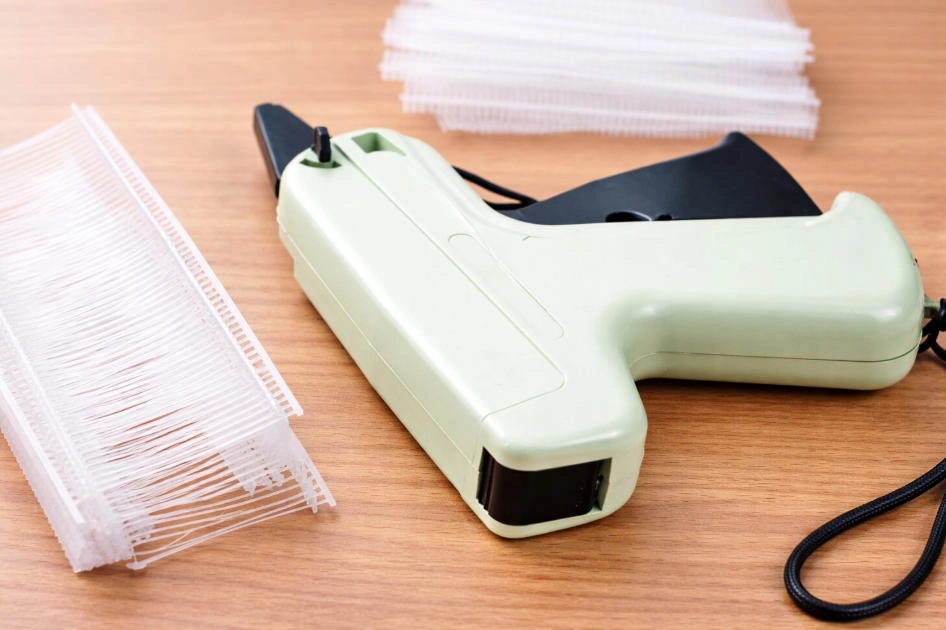
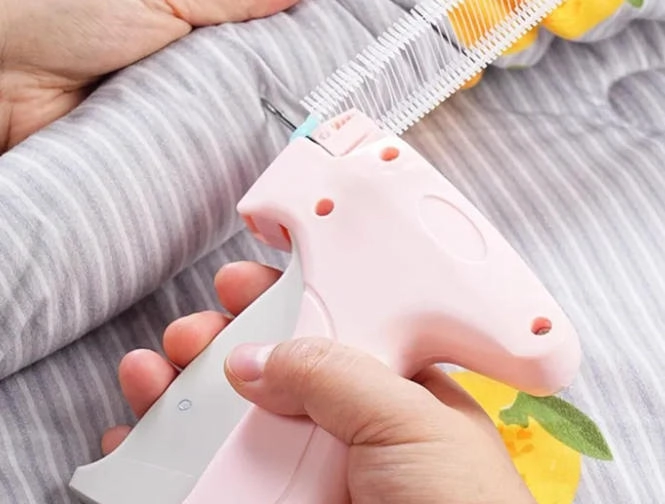
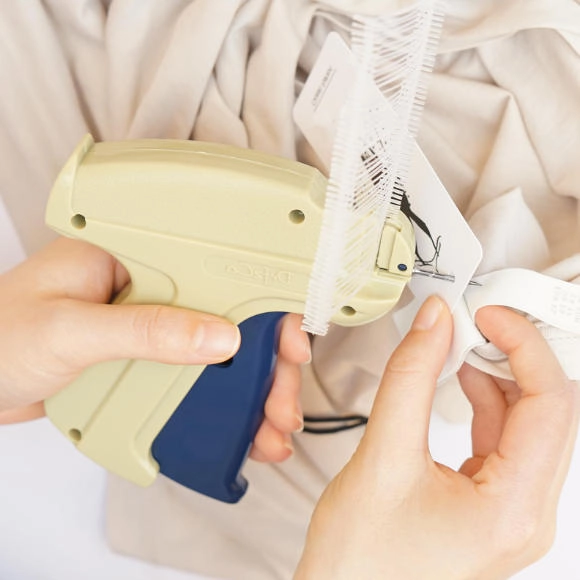
Sourcing tagging guns in bulk is very different from buying one tool for a single store or workshop. A successful wholesale order is not only about finding a low unit price. It should include the right model mix, compatible fasteners, replacement needles, practical packaging, quality inspection and stable repeat supply.
For wholesalers, distributors, garment accessories suppliers and factory procurement teams, the biggest risks often come from incomplete planning. A tagging gun may look simple, but it works as part of a system. The gun, needle and fastener must match. If they do not, customers may face jamming, broken fasteners, poor feeding, missing spare parts or products that cannot be used after arrival.
This guide provides a practical checklist for sourcing tagging guns in bulk. It explains which models to consider, what consumables to order together, how to plan packaging, what to inspect before shipment, and how to build a reorder strategy for long-term supply.
Why Bulk Sourcing Tagging Guns Is Different from Buying Single Units
When a single store buys one tagging gun, the decision is usually simple. The store needs a tool, a needle and a pack of fasteners. When a wholesaler or distributor sources tagging guns in bulk, the decision becomes more complex. The products may be resold to many different customers, used in multiple applications or supplied to factories that need repeat replenishment.
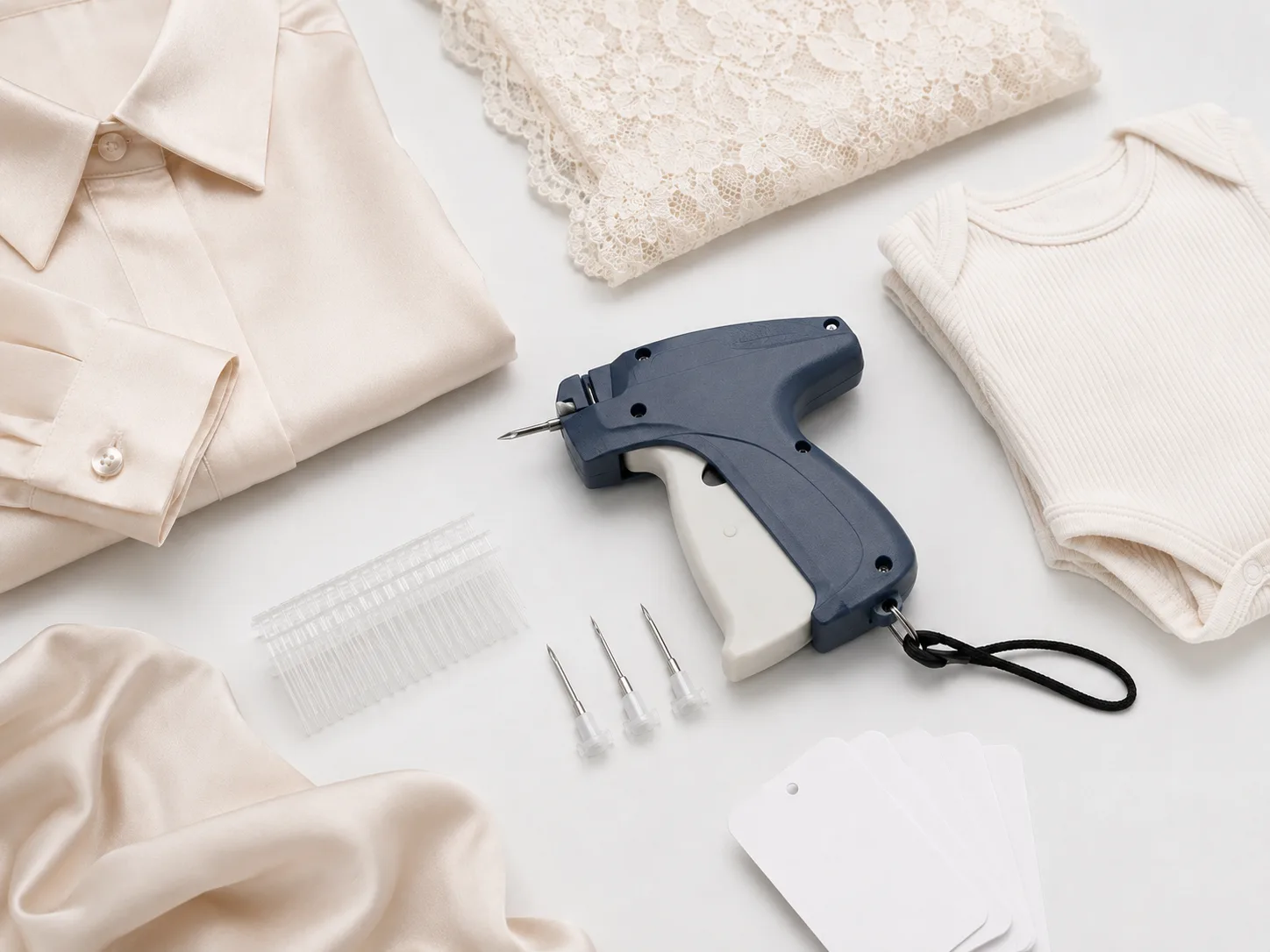
A bulk order should be planned as a complete product system. This system may include:
• Standard tagging guns
• Fine fabric tagging guns
• Long needle tagging guns
• Loop tag guns
• Standard fasteners
• Fine fasteners
• Loop lock fasteners
• Replacement needles
• Hang tags
• Instruction sheets
• Inner boxes
• Master cartons
• Custom labels or packaging
Compatibility is one of the most important factors. A standard tagging gun should use standard needles and standard fasteners. A fine fabric tagging gun should use fine needles and fine fasteners. A loop tag gun should use compatible loop fasteners. Mixing the wrong consumables with the wrong tool can lead to customer complaints and unusable stock.
Wholesalers and distributors also need to think about resale scenarios. A clothing store, a garment factory, a boutique, a sock supplier, a towel manufacturer and a shoe accessories seller may not need the same tagging solution. The best bulk order should match the target customer group.
The lowest price is not always the lowest total cost. A cheap tagging gun that jams frequently, comes with weak needles or lacks compatible fasteners may create returns, replacements and customer service problems. For long-term business, product compatibility, packaging clarity and stable supply are just as important as price.
Main Types of Tagging Guns to Consider in Bulk Orders
Before placing a bulk order, buyers should understand the main types of tagging guns and where each one fits. This does not mean every wholesaler needs to stock every model. The right selection depends on customer demand and sales channels.
Standard Tagging Guns
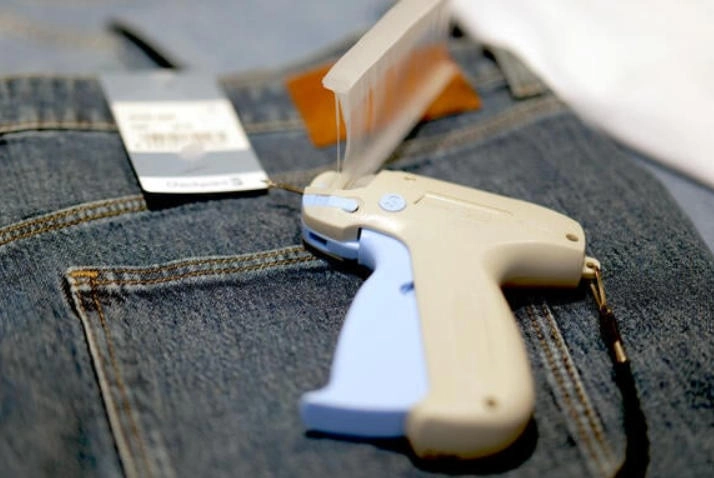
Standard tagging guns are the most common choice for general garment tagging. They are suitable for everyday apparel, cotton garments, T-shirts, denim, towels, workwear and many regular textile products.
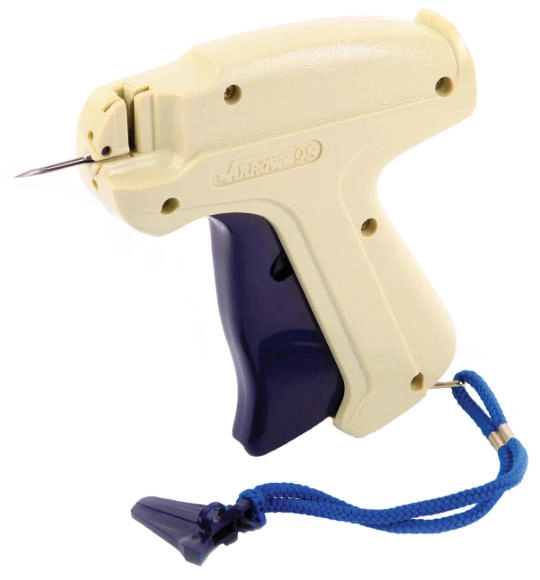
For most wholesalers and distributors, standard tagging guns are usually the main volume item. They serve a wide range of customers and are easier to pair with standard fasteners and standard replacement needles.
A standard tagging gun is a practical starting point for retail supply stores, apparel accessories wholesalers, online sellers and garment factory suppliers.
Fine Fabric Tagging Guns
Fine fabric tagging guns are designed for more delicate materials. They use thinner needles and fine fasteners, making them more suitable for lingerie, babywear, lightweight garments, boutiques, premium apparel and soft knitted products.
This model is useful when your customer base includes fashion retailers, boutique suppliers, delicate garment manufacturers or sellers of higher-value apparel. Fine fabric tools should be stocked together with fine fasteners and fine replacement needles.
Do not treat a fine fabric tagging gun as a universal replacement for a standard gun. Fine tools are helpful for delicate fabrics, but they are not ideal for thick denim, towels or heavy materials.
Long Needle Tagging Guns
Long needle tagging guns are useful when extra reach is needed. They are often used for socks, folded garments, towels, thicker fabrics and multi-layer textile products.
For customers who handle home textiles, socks, bundled garments, winter accessories or thick cotton products, long needle options can be a valuable addition. The key benefit is deeper reach, not universal compatibility. A long standard needle tool still needs compatible standard fasteners.
Heavy-Duty Tagging Guns
Heavy-duty tagging guns are used for more demanding applications such as thick textiles, mats, industrial fabrics and certain heavy packaging situations. They are not necessary for every wholesaler.
Before stocking heavy-duty models, confirm whether your customers really need them. If your main market is general clothing and small retail supply, standard and fine models may be more important. If your customers include industrial textile suppliers, upholstery businesses or mat sellers, heavy-duty tools may be worth considering.
Loop Tag Guns
Loop tag guns are used for non-piercing tag attachment. They are suitable for products that should not be pierced with a needle, such as shoes, handbags, wallets, belts, sunglasses and hard goods.
A loop tag gun can help apply loop-fastened tags more efficiently than manual loop application. This model is useful for wholesalers serving shoe sellers, bag factories, accessory distributors, gift suppliers and retail packaging teams.
Loop tag guns should always be ordered with compatible loop fasteners. Different systems may use different loop sizes, loading styles and fastener clips.
Recommended Model Mix for Wholesale Buyers
A good wholesale order should reflect the target customer base. Overordering too many slow-moving models can create inventory pressure, while ordering only one basic model can limit sales opportunities.
| Buyer Type | Suggested Model Mix | Why It Works |
|---|---|---|
| General retail supply distributor | Standard tagging guns, standard fasteners, replacement needles | Covers most daily garment tagging needs |
| Apparel accessories wholesaler | Standard, fine and long needle options | Serves regular, delicate and thicker garments |
| Garment factory supplier | Standard guns, bulk fasteners, replacement needles | Supports repeat production use |
| Boutique supply seller | Fine tagging guns, fine fasteners, hang tag strings | Better for delicate garments and premium presentation |
| Home textile supplier | Standard and long needle guns, medium and long fasteners | Suitable for towels and thick products |
| Shoe and bag accessory supplier | Loop tag guns and loop lock fasteners | Supports non-piercing tag attachment |
| Online resale seller | Ready-to-use kits with gun, needles and fasteners | Easier to sell to small shops and individual operators |
| Private label distributor | Mixed models and custom packaging | Supports brand identity and repeat orders |
For most distributors, standard models should remain the main stock. Fine fabric guns and loop tag guns can be used to expand into more specific applications. Long needle tools can serve customers handling socks, towels and thicker materials.
It is usually better to start with a focused model mix and expand after sales data becomes clear. This helps reduce slow inventory and improves reorder accuracy.
Fasteners and Needles: What to Buy Together
Tagging guns should not be sourced alone. Fasteners and replacement needles are essential parts of the product system. If customers cannot find compatible consumables, they may stop using the tool or switch suppliers.
Standard Fasteners for Standard Guns
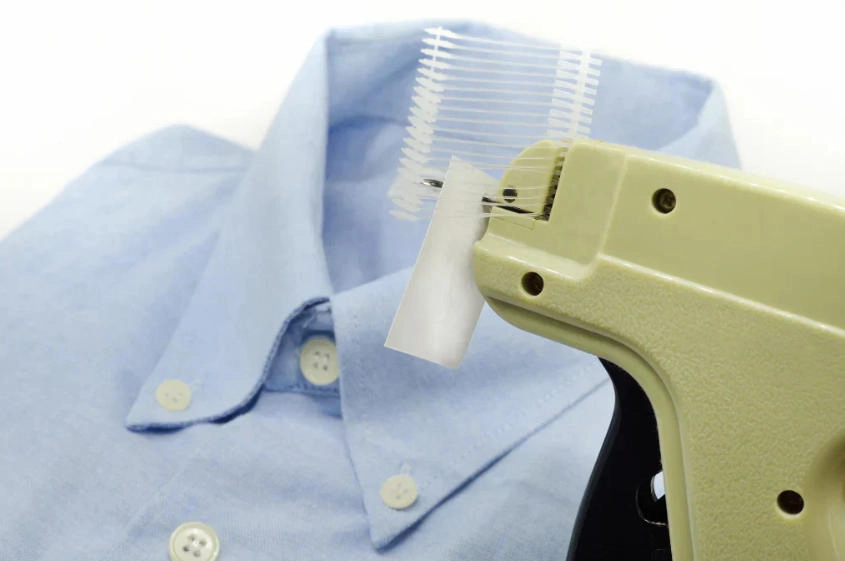
Standard tagging guns should be paired with standard fasteners and standard replacement needles. These are the most common consumables for general garment tagging.
When planning wholesale stock, standard fasteners should usually be ordered in larger quantities than the tools. Fasteners are consumed continuously, while tagging guns last much longer.
Fine Fasteners for Fine Tagging Guns
Fine fabric tagging guns require fine fasteners and fine needles. They are designed for lighter fabrics and smaller attachment points.
Do not supply standard fasteners with fine fabric guns unless the tool specifically supports that system. In many cases, mismatched fasteners can cause jamming or poor feeding.
Replacement Needles Are Essential
Replacement needles are important for both retail kits and factory supply. Needles can bend, become dull or break during repeated use. If spare needles are not available, customers may not be able to continue using the tagging gun.
For bulk orders, replacement needles should be planned from the beginning. A practical order may include a fixed number of replacement needle packs for each carton of tagging guns.
Fastener Lengths Should Match Target Applications
Different customers need different fastener lengths. A balanced consumable plan may include:
• Short fasteners for light garments and compact tagging
• Medium fasteners for regular clothing and daily retail use
• Longer fasteners for towels, socks, folded goods and thicker products
• Loop fasteners for shoes, handbags, wallets, belts and hard goods
The best length depends on product thickness and tag placement. Wholesalers should offer common lengths instead of relying on only one size.
Avoid Selling Tools Without Consumables
Selling tagging guns without compatible fasteners or needles can reduce customer satisfaction. A customer may buy the tool once, but fasteners and needles create repeat demand. A complete product system is better for both customer experience and long-term sales.
Bulk Packaging Options for Tagging Guns
Packaging affects shipping safety, resale value and customer experience. The best packaging depends on whether the order is for factory use, wholesale distribution, online resale or private label supply.
Simple Bulk Packing
Simple bulk packing is suitable for factories, warehouse users and price-sensitive orders. Common options include individual polybags, neutral inner boxes and master cartons.
This packaging style keeps cost lower and is easier for customers who already have their own internal distribution system. However, it should still protect the tool, needle and accessories during transport.
Retail Kit Packaging
Retail kit packaging is suitable for online sellers, retail supply stores and distributors selling to small shops. A kit may include:
• 1 tagging gun
• Replacement needles
• Standard fasteners
• Instruction sheet
• Blank hang tags
• Storage box or blister packaging
This type of kit is easier for end users because they can start tagging immediately. It also reduces confusion about which fasteners fit the tool.
Private Label Packaging
Private label packaging is useful for distributors who want to build their own brand. Depending on order quantity and supplier capability, it may include:
• Custom color box
• Logo sticker
• Barcode label
• Product instruction insert
• SKU label
• Carton mark
• Custom packing ratio
Before confirming private label packaging, buyers should review artwork, box material, print quality, carton strength and labeling accuracy.
Distributor-Ready Cartons
For wholesale distribution, cartons should be easy to identify and manage. Each carton should clearly separate models and consumables. Important details may include model name, quantity per carton, needle type, fastener compatibility, carton size and gross weight.
Clear carton marking helps warehouses reduce picking mistakes and makes reorder planning easier.
MOQ and Order Quantity Planning
MOQ can vary by model, color, packaging type and customization requirement. A neutral bulk order may have a lower MOQ than a custom color box order. Custom logo, special packaging or mixed SKU packing may require a larger quantity.
For a first order, it is often better to start with a practical test order rather than only chasing the lowest unit price. A test order helps confirm product quality, packaging condition, fastener compatibility, shipping performance and customer feedback.
Order quantity should be planned according to sales speed:
• High-volume SKU: standard tagging gun
• Medium-volume SKU: fine fabric tagging gun
• Application-specific SKU: long needle or loop tag gun
• Repeat consumable SKU: fasteners and replacement needles
Consumables usually need larger quantities than tools. Fasteners are used continuously, and replacement needles are often needed during ongoing operation. A wholesaler that runs out of fasteners may lose repeat sales even if the original tools are still in stock.
Quality Control Checklist Before Shipment
Quality control is important for bulk orders because a small defect rate can become a major problem when multiplied by cartons of goods. Buyers should ask suppliers to check both tools and accessories before shipment.
Tool Appearance Inspection
Check the basic appearance of the tagging guns:
• Body color consistency
• Handle finish
• Cracks or scratches
• Trigger movement
• Needle lock area
• Tool surface condition
• Packaging condition
The tool should look clean, complete and ready for resale or factory use.
Trigger and Feeding Test
The trigger should move smoothly and return correctly. The tool should feed fasteners properly under normal use. A basic test should include repeated firing with compatible fasteners to check for jamming, misfeeding or weak trigger response.
Needle Quality Inspection
Needles should be straight, sharp and suitable for the tool model. Check the needle slot opening, needle base, protective cap and packaging. A bent or poorly finished needle can cause fabric snagging, tool jamming or user complaints.
Fastener Compatibility Test
Fasteners should be tested with the matching gun before shipment. Standard fasteners should be tested with standard guns. Fine fasteners should be tested with fine fabric guns. Loop fasteners should be tested with the corresponding loop tag tool.
Do not assume that all fasteners fit all tools. Compatibility should be verified before bulk shipment.
Packaging and Accessory Check
Check that all accessories are included:
• Correct number of needles
• Correct fastener quantity
• Instruction sheet if required
• Inner box or retail kit components
• Carton labels
• Model marks
• Correct SKU separation
Missing small accessories can create customer complaints even if the tagging gun itself works well.
Random Sampling Before Shipment
For large orders, random sampling helps reduce risk. The sampling ratio can be agreed with the supplier according to order size and product value. At minimum, the supplier should test representative samples from different cartons or production batches.
Supplier Evaluation Checklist
Choosing the right supplier is as important as choosing the right model. A strong supplier should provide clear product information, stable consumable supply and practical support before and after ordering.
Product Range
A long-term supplier should be able to offer a useful range of related products, such as:
• Standard tagging guns
• Fine fabric tagging guns
• Long needle options
• Loop tag guns
• Replacement needles
• Standard fasteners
• Fine fasteners
• Loop lock fasteners
• Hang tags and accessories
A broader product range makes it easier to build complete kits and repeat orders.
Compatibility Guidance
A supplier should explain which gun matches which needle and fastener. This guidance is important for wholesalers because the final customer may not understand the differences between standard, fine and loop systems.
Clear compatibility information reduces returns and improves customer confidence.
Sample Support
Samples allow buyers to test real performance before a larger order. Sample testing should cover tool quality, fastener compatibility, needle installation, packaging appearance and target product application.
For new suppliers, sample testing is one of the most effective ways to reduce purchasing risk.
Stable Repeat Supply
Bulk sourcing is not only about the first order. Buyers should confirm regular stock, production capacity, reorder lead time, fastener supply stability and replacement needle availability.
If tools are available but fasteners are often out of stock, customers may not be able to continue using the system.
Custom Packaging Capability
Custom packaging is useful for private label distributors and online resale sellers. Ask whether the supplier can support logo stickers, barcode labels, instruction sheets, color boxes, carton marks and mixed packaging.
All customization should be confirmed by sample images or pre-production samples before mass production.
Communication and Documentation
A reliable supplier should provide clear information such as product photos, specifications, packing details, carton size, gross weight, net weight, sample confirmation and quality inspection photos.
Good communication reduces errors, especially when several models and consumables are included in one order.
Common Bulk Sourcing Mistakes
Many problems in bulk sourcing can be avoided with better planning. The following mistakes are common when buyers focus only on price or order quantity.
Buying Only the Cheapest Tagging Gun
A low price may look attractive, but it can become expensive if the product jams, breaks, has weak needles or creates complaints. Buyers should compare tool feel, fastener feeding, packaging, spare parts and supplier support.
Ignoring Fastener Compatibility
This is one of the most serious sourcing mistakes. If the fastener does not match the gun, customers may not be able to use the product. Always confirm the tool system before ordering consumables.
Not Ordering Enough Replacement Needles
Replacement needles are small but important. If customers cannot replace a bent or dull needle, the tagging gun becomes unusable. Wholesale orders should include spare needle packs.
Using One Model for Every Application
One model cannot serve every customer. Regular clothing, delicate garments, thick materials and non-piercing accessories need different tagging solutions. A practical model mix is better than forcing one tool into every use case.
Skipping Sample Testing
Sample testing helps identify problems before bulk shipment. It is especially important when ordering from a new supplier, changing packaging or adding a new model.
Using Weak Packaging for Export Shipping
Export shipping can damage weak boxes or poorly packed accessories. Cartons should be strong enough for transport, and small parts should be packed securely to prevent loss or damage.
How to Build a Long-Term Reorder Strategy
A strong reorder strategy helps wholesalers and distributors avoid stockouts and improve repeat sales.
Track Tools and Consumables Separately
Tagging guns and consumables should be tracked separately. Tools may sell slowly but steadily, while fasteners and replacement needles may repeat more frequently.
Separate tracking helps buyers understand what should be reordered first.
Identify High-Repeat Consumables
Common high-repeat items include:
• Standard fasteners
• Fine fasteners
• Replacement needles
• Loop lock fasteners
• Common fastener lengths
These products should have safety stock because customers may reorder them regularly.
Keep Safety Stock
Safety stock is useful for fast-moving consumables and standard models. If a customer needs fasteners urgently and the distributor has no stock, the customer may find another supplier.
Create SKU Bundles
Bundles help simplify sales and inventory. Useful bundles may include:
• Standard gun + standard fasteners + spare needles
• Fine gun + fine fasteners + fine needles
• Long needle gun + long needles + medium or long fasteners
• Loop tag gun + loop lock fasteners
• Retail starter kit
• Factory refill kit
Bundles can also make online resale easier because the customer gets a complete set.
Use Customer Feedback to Adjust the Model Mix
After the first few sales cycles, review customer feedback, return reasons, repeat orders and questions. If customers often ask for fine fasteners, stock more fine consumables. If loop tag guns sell slowly but loop fasteners repeat well, adjust the next order accordingly.
Recommended Product Bundles for Wholesale Orders
The right product bundle can make selling easier and improve customer satisfaction.
Basic Retail Tagging Kit
A basic retail kit may include:
• Standard tagging gun
• Replacement needles
• Standard fasteners
• Blank hang tags
• Instruction sheet
This kit is suitable for clothing shops, online sellers and small retail operations.
Apparel Supplier Kit
An apparel supplier kit may include:
• Standard tagging gun
• Fine fabric tagging gun
• Standard fasteners
• Fine fasteners
• Replacement needles
This kit is suitable for garment accessories sellers and suppliers serving multiple apparel customers.
Factory Refill Kit
A factory refill kit may include:
• Bulk standard fasteners
• Bulk replacement needles
• Optional spare tagging guns
This kit is suitable for garment factories, warehouse tagging teams and packaging lines that already use tagging guns.
Delicate Garment Kit
A delicate garment kit may include:
• Fine fabric tagging gun
• Fine needles
• Fine fasteners
• Hang tag strings
This kit is suitable for boutiques, lingerie suppliers, babywear sellers and premium apparel packaging.
Non-Piercing Accessories Kit
A non-piercing accessories kit may include:
• Loop tag gun
• Loop lock fasteners
• Hang tag strings
• Snap lock cords
This kit is suitable for shoes, handbags, wallets, belts and accessories.
Related Reading
For general model selection, read our guide on how to choose the right tagging gun and fasteners.
For fabric-sensitive applications, compare standard vs fine tagging gun before ordering.
For attachment length planning, refer to our tagging gun fastener sizes guide.
For delicate apparel, read our guide on how to tag delicate clothing without leaving holes.
For shoes, handbags and accessories, review our guide on how to tag products without piercing them.
For tool issues such as jamming, bent needles and mismatched consumables, read our guide to common tagging gun problems.
FAQ
What should I check before buying tagging guns in bulk?
Check the model type, fastener compatibility, replacement needle availability, packaging method, sample quality, carton details and supplier’s repeat supply ability.
Which tagging gun models should wholesalers stock first?
For most wholesalers, standard tagging guns should be the main stock. Fine fabric guns, long needle guns and loop tag guns can be added based on customer categories.
Should I buy fasteners together with tagging guns?
Yes. Tagging guns should be purchased with compatible fasteners and replacement needles. This helps customers use the product immediately and creates repeat consumable sales.
Are tagging gun needles universal?
Not always. Needles should match the tagging gun type and category. Some tools also require specific needle types. Always confirm compatibility before purchasing replacement needles.
What is the best packaging for wholesale tagging guns?
For factory customers, neutral bulk packing may be enough. For resale, retail kits or custom color boxes are often better because they are easier to display and sell.
Can I customize tagging gun packaging?
Many suppliers can support custom box, logo sticker, barcode label, instruction sheet or carton mark, depending on order quantity and packaging requirements. Confirm samples before mass production.
How many fasteners should I order with each tagging gun?
It depends on the target customer. Retail kits may include 1,000 to 5,000 fasteners, while factories and distributors usually need larger fastener cartons for replenishment.
How can I reduce complaints after selling tagging guns?
Provide compatible fasteners, spare needles, clear instructions, correct model labeling and basic troubleshooting guidance.
What is the most common sourcing mistake?
The most common mistake is treating tagging guns as a single product instead of a system. Buyers should source guns, needles and fasteners together.
How do I choose a reliable tagging gun supplier?
Choose a supplier that can provide product range, compatibility guidance, samples, stable repeat supply, packaging options and pre-shipment quality inspection support.
Conclusion
Sourcing tagging guns in bulk is not just about comparing unit prices. A successful wholesale order should include the right model mix, compatible fasteners, replacement needles, practical packaging, clear labeling and reliable repeat supply.
For wholesalers and distributors, standard tagging guns are usually the core product, while fine fabric guns, long needle guns and loop tag guns help expand into delicate garments, thick fabrics and non-piercing accessory applications. Fasteners and replacement needles should be planned from the beginning because they directly affect customer experience and repeat orders.
Before placing a large order, test samples, confirm compatibility, review packaging, check supplier documentation and plan consumable replenishment. A complete sourcing strategy helps reduce complaints, improve repeat sales and build a stronger product line.
Looking for wholesale tagging guns, bulk fasteners and replacement needles? HANZE supplies standard tagging guns, fine fabric tagging guns, long needle options, loop tag guns, plastic tag fasteners, loop lock fasteners and tagging accessories for wholesalers, distributors, retailers and garment factories. Contact us for bulk pricing, sample testing, packaging options and suitable product recommendations.