Screen Printing Squeegee Durometer Guide
Screen Printing Squeegee Durometer Guide
In the world of textile and screen printing, the choice of squeegee durometer—the hardness level of the squeegee blade—can significantly impact print quality, ink deposit, and production efficiency. This guide explores how to choose the right durometer for your needs, based on fabric type, ink viscosity, and printing detail requirements.
What Is Squeegee Durometer?
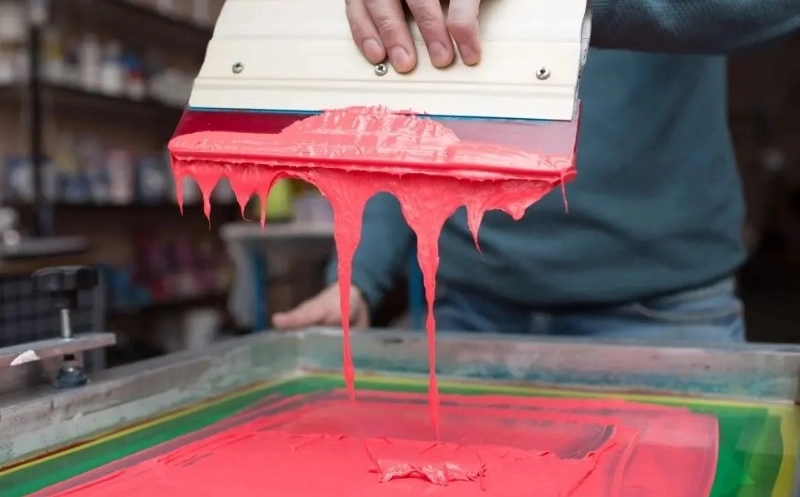
Squeegee durometer refers to the blade’s hardness, measured on a Shore A scale from 0 to 100. The higher the number, the harder the blade. In screen printing, typical durometer ranges from 60 to 90:
• 60 durometer: soft and flexible, ideal for high ink deposit
• 70 durometer: medium hardness, offering balance and versatility
• 80–90 durometer: hard and rigid, suitable for detailed prints and fine lines
Knowing how to match the right durometer to your application helps achieve better ink flow, precision, and durability.
Why Squeegee Durometer Matters in Screen Printing
Choosing the wrong durometer can lead to problems like over-inking, image distortion, or poor stencil resolution. Here’s how durometer affects your print:
Softer Durometer (60–65 Shore)
• Pros: Higher ink deposit, ideal for dark garments or thick ink layers
• Best for: Fleece, mesh, cotton, and rough surfaces
Medium Durometer (70 Shore)
• Pros: Balanced ink transfer and control
• Best for: Most standard textile applications
Harder Durometer (80–90 Shore)
• Pros: Sharp print edges, consistent ink control
• Best for: High mesh count screens, fine detail graphics, and plastisol ink
Durometer by Ink Type and Fabric
Ink Type Compatibility
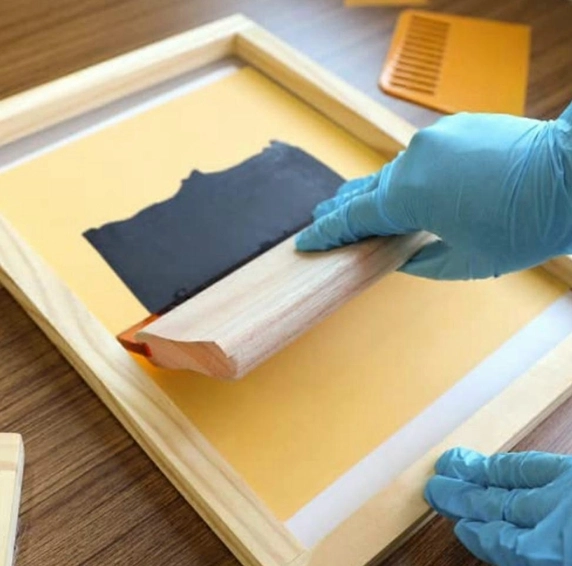
• Water-based ink: Softer squeegees work better due to lower viscosity
• Plastisol ink: Requires stiffer blades to control thicker ink
• UV inks: Often used with hard blades to ensure fine detail
Fabric Surface Considerations
• Textured fabric: Use softer blades that conform to the surface
• Smooth surfaces: Harder blades for crisp image resolution
Types of Screen Printing Squeegees
1. Single Durometer Squeegee
• A uniform blade made from one hardness rating
• Common durometers: 60, 70, 80 Shore
• Best for: Manual printing, simpler designs
2. Triple Durometer Squeegee
• Features a hard core between softer outer layers
• Combines flexibility with support
• Best for: Automatic presses, high-speed printing
3. Dual Durometer (optional)
• Offers two different hardness layers
• Less common, used for specific press conditions
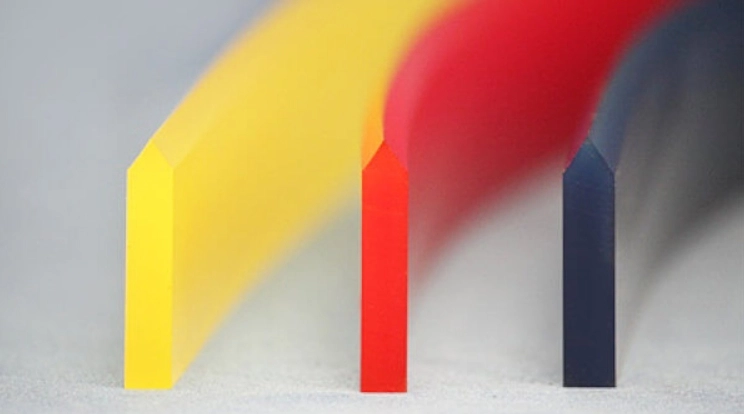
Common Durometer Color Codes (Industry Standard)
• Orange: 60 durometer
• Yellow: 70 durometer
• Green/Blue: 80 durometer
(Note: These colors may vary slightly by brand, but this convention is widely recognized.)
How to Choose the Right Squeegee Durometer
1. Evaluate print detail requirements: Finer detail = harder blade
2. Match ink thickness: Thicker ink = harder durometer
3. Consider press type: Manual = softer; automatic = stiffer
4. Factor in mesh count: Higher mesh = stiffer squeegee
5. Test print: Conduct trials to find your shop’s ideal match
Screen Printing Tips: Best Practices for Squeegee Use
• Re-sharpen regularly: Dull blades cause smudging and poor ink flow
• Avoid nicks or cracks: Damaged edges affect print quality
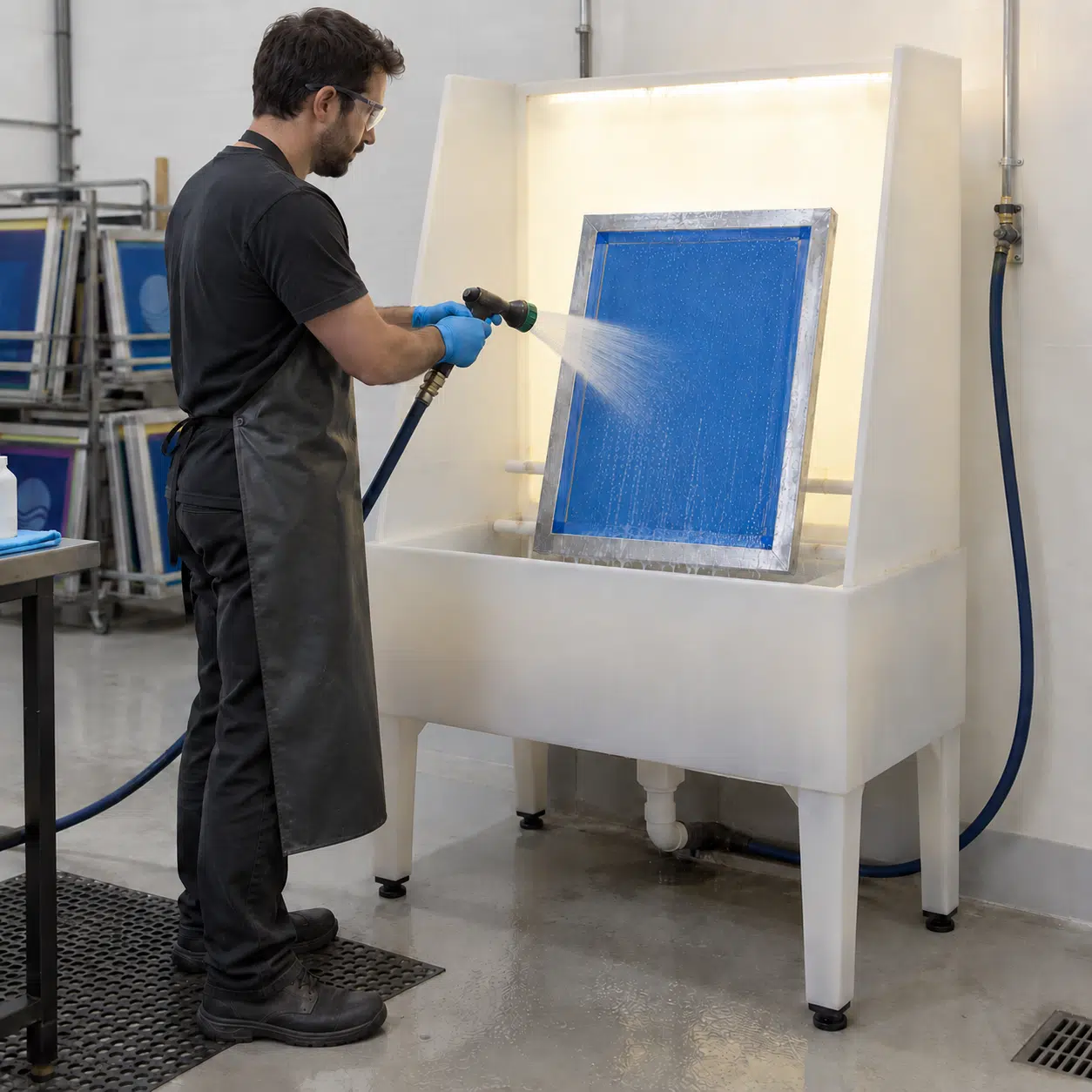
• Clean after use: Prevent ink build-up and extend life
• Store flat: Avoid bending or warping the blade
Recommended Squeegee Hardness by Printing Scenario
| Printing Scenario | Recommended Durometer |
|---|---|
| Cotton T-Shirts | 70 |
| Hoodies / Fleece | 60 |
| High-Resolution Artwork | 80–90 |
| Automatic Press with Fast Cycles | 70/90/70 Triple |
| Water-Based Ink on Paper | 60–70 |
Application Industries
• Apparel Factories: Mass production of garments
• Advertising Companies: Promotional items and graphics
• Textile Labs: Prototype testing and small-batch runs
• Signage & Label Makers: High-resolution print demand
Conclusion
Understanding screen printing squeegee durometer is essential for achieving consistent, high-quality results in textile and industrial applications. Whether you opt for single or triple durometer, proper blade selection, maintenance, and pairing with suitable ink and fabric types will elevate your printing performance.
Need custom screen printing squeegees?
Contact Us today for OEM options, bulk pricing, and expert support.
FAQ: Common Questions About Squeegee Durometer for Screen Printing
• What is the best squeegee durometer for T-shirts?
A 70 durometer squeegee is the most versatile choice for printing on cotton T-shirts. It provides a good balance between flexibility and ink control.
• Can I use the same squeegee for different types of ink?
Technically yes, but it’s not recommended. Softer durometers work better for water-based inks, while harder durometers are more suitable for thick plastisol inks or UV inks.
• What’s the difference between single and triple durometer squeegees?
Single durometer squeegees have a uniform hardness, ideal for manual and general use. Triple durometer squeegees combine soft and hard layers, offering flexibility with core rigidity—perfect for automatic presses and long runs.
• How often should I sharpen my screen printing squeegee?
You should resharpen the blade whenever you notice ink smudging, uneven prints, or reduced edge definition. Frequent use may require sharpening weekly.
• Is it okay to use an 80 durometer blade on fleece?
No, 80 durometer squeegees are too stiff for textured fabrics like fleece. A softer 60 durometer squeegee is recommended to conform to the fabric surface and ensure smooth ink deposit.
• What squeegee hardness should I use for high mesh count screens?
High mesh counts require harder squeegees—typically 80–90 Shore—to ensure the ink passes through the fine mesh cleanly and with control.
• Does squeegee durometer affect ink opacity?
Yes. Softer squeegees lay down more ink, increasing opacity, which is useful for dark garments. Harder blades apply thinner layers, which may reduce coverage but improve print sharpness.
• Where can I get custom durometer screen printing squeegees?
You can Contact Hanze directly to request OEM squeegee options, custom sizes, and wholesale pricing.