Product Category
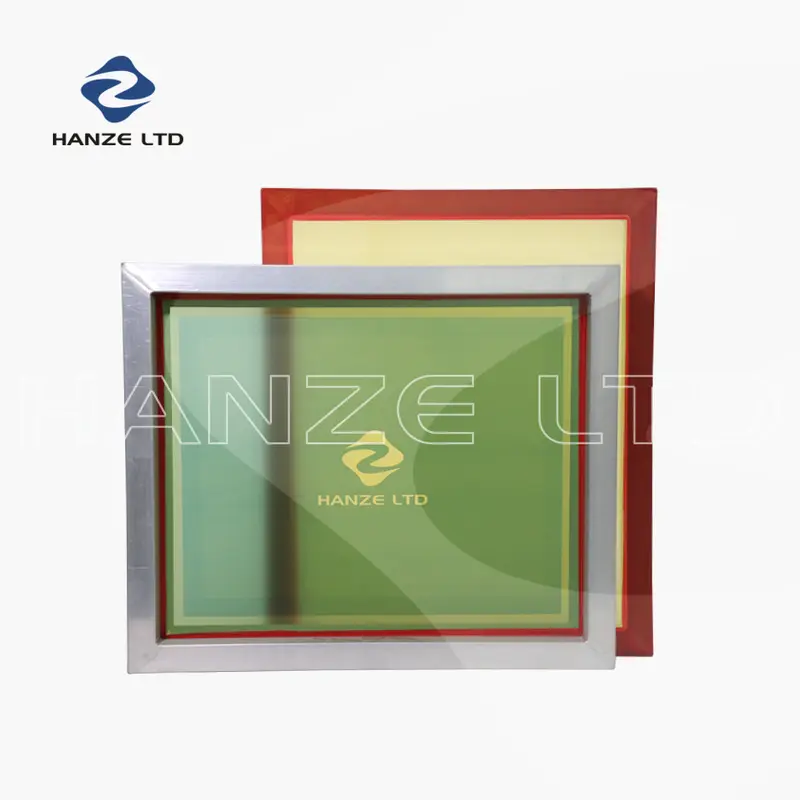
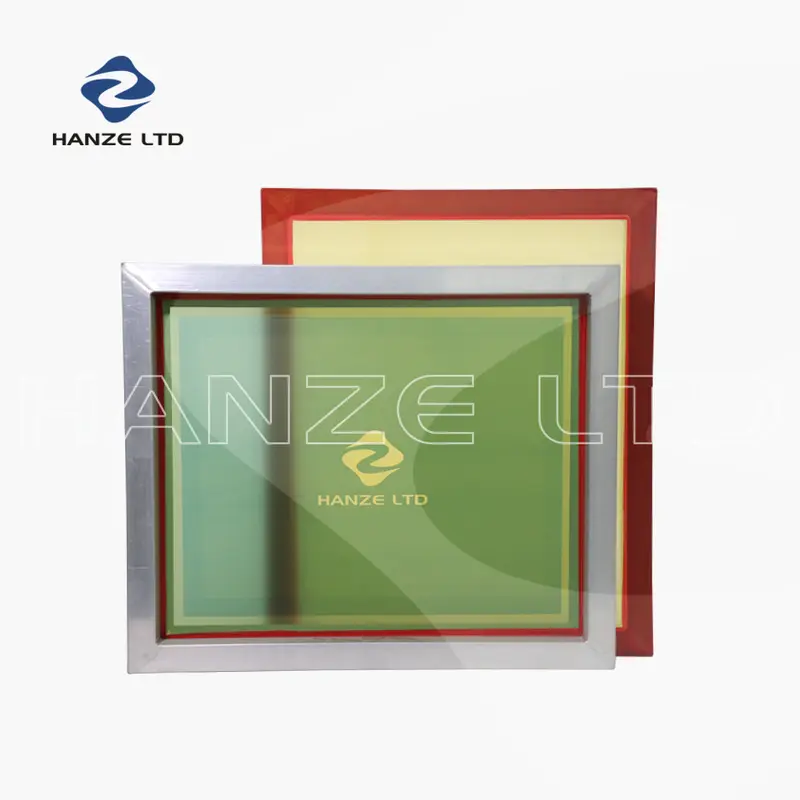
Screen Printing Frames for Textile & Garment Printing
A reliable screen printing frame is the foundation of clean registration, even ink deposit, and repeatable production—especially in busy garment and textile print shops. HANZE supplies a practical range of screen printing frames wholesale, including aluminum textile frames, draw-bar frames, and self-stretching frames. Whether you need common sizes for day-to-day orders or custom dimensions to match your press and image area, our goal is to help you reduce re-mesh downtime, keep tension more stable over longer runs, and improve overall yield on press.
Looking for a one-stop purchase? Pair your frames with matching mesh and squeegees to keep process variables consistent and make procurement easier:
Screen Printing Frame Types We Supply
Aluminum Textile Screen Printing Frames
Aluminum frames are widely used in garment and textile production for their practical handling and compatibility with most common mesh and adhesive systems. They help operators move quickly between jobs while maintaining a solid foundation for daily production. For many factories and print shops, aluminum textile frames are the best balance of cost, usability, and repeatable results—especially when you run multiple designs per day and need smooth screen preparation.
Draw-Bar Frames (Adjustable Tension System)
Draw-bar frames are built for buyers who want more control over screen tension and accuracy. The adjustable structure supports controlled tensioning and can help reduce misregistration risk in demanding prints—such as tighter detail work, thicker ink layers, or longer production runs where stability matters. If your team frequently troubleshoots tension drift or wants a frame system designed around precision adjustment, draw-bar frames are a strong option to evaluate.
Self-Stretching Frames
Self-stretching frames are chosen by shops that re-mesh frequently and want faster turnaround in screen prep. This frame type can help streamline workflow by reducing setup time and improving consistency during stretching, which is especially useful when production schedules are tight and you need to bring screens back online quickly. For many buyers, the value is not just the frame itself, but the labor savings and reduced downtime across repeated re-meshing cycles.
Quick Comparison
| Frame Type | Best For | Key Advantage | Typical Buyer Goal |
|---|---|---|---|
| Aluminum Textile Frame | Daily garment/textile production | Practical, widely compatible | Stable output at scale |
| Draw-Bar Frame | Demanding prints & accuracy focus | Adjustable tension control | Reduce misregistration & rework |
| Self-Stretching Frame | Frequent re-meshing workflows | Faster screen prep | Cut downtime & labor cost |
How to Choose the Right Screen Printing Frame
Choosing the right frame is less about “the most expensive option” and more about matching the frame to your production rhythm:
• Your printing application: garment/textile printing, inks used, and typical order volume.
• Re-meshing frequency: if you re-mesh often, evaluate self-stretching systems for efficiency.
• Tension strategy: standard aluminum frames cover most day-to-day needs; draw-bar frames add adjustability when tension control is a priority.
• Frame size & image area: match inside dimensions to your artwork size, squeegee travel, and clamp space. If you already have a standard size on your press, sharing that reference spec helps avoid fit issues.
• Total cost of ownership: consider downtime, scrap rate, and labor time—not just unit price.
Tip for purchasing teams: If you buy frames for multiple lines, standardizing a few key sizes can simplify inventory, reduce operator errors, and speed up repeat ordering.
Quality & Supply
We know that you need frames that perform consistently across repeated production cycles. We focus on supply stability and practical manufacturing control so that your team can run orders with fewer surprises:
• Consistent build & inspection: frames are checked for basic usability and structural integrity for production workflows.
• Wholesale-ready supply: suitable for distributors, print factories, and OEM purchasing.
• Export packaging support: protective packing for international delivery to reduce transit risk.
• Fast quoting & sourcing guidance: share your application and required sizes—we’ll recommend the most practical frame type and configuration for your workflow.
FAQs
Q1: What information should I send for a quick quote?
Frame type, inside size, quantity, and your application (garment/textile). If you already use a standard size, share that reference spec to avoid fit issues.
Q2: Which frame type helps reduce rework caused by misregistration?
If tension control and accuracy are the priority, buyers often evaluate draw-bar systems. Standard aluminum frames are a strong baseline for most textile production.
Q3: Do you support custom sizes?
Yes. Custom sizes are common for matching specific presses or image areas. Share the target inside dimension and your workflow details for faster recommendation.
Q4: How can I reduce screen prep downtime?
If re-meshing is frequent, consider self-stretching systems to streamline stretching and improve turnaround. Also, standardize frame sizes where possible.
Q5: Can I bundle frames with mesh and squeegees for one-stop purchasing?
Yes. Many buyers bundle frames with mesh and squeegees to simplify procurement and keep process variables consistent.