Screen Printing vs Embroidery: Which Is Better for Your Logo?
Screen Printing vs Embroidery: Which Is Better for Your Logo?
If you’re choosing between screen printing and embroidery for a logo, you’re really deciding how people will “feel” your brand every time they pick up a shirt, hoodie, polo, or cap. A big soft print across a festival tee sends a loud, casual message. A small embroidered logo on a polo says “professional” before anyone reads a word. For garment factories, print shops, and brand owners, it’s also a cost and process question: how many pieces, how often will you reorder, what fabrics are you using, and how detailed is your artwork? Pick the wrong method and you might end up with fuzzy small text, stiff uniforms that staff dislike, or decoration costs that quietly eat your margin. In the following sections, we’ll walk through how each technique really works on the shop floor, where each one shines, and where it struggles, so you can match the method to the logo instead of guessing.
What Is Screen Printing for Logos?
How Screen Printing Works on Apparel Logos
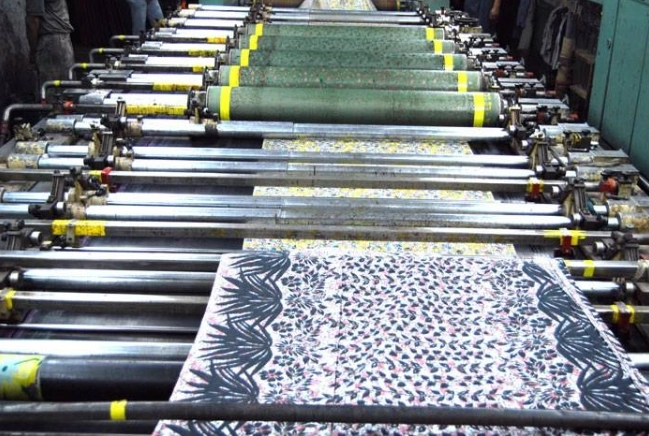
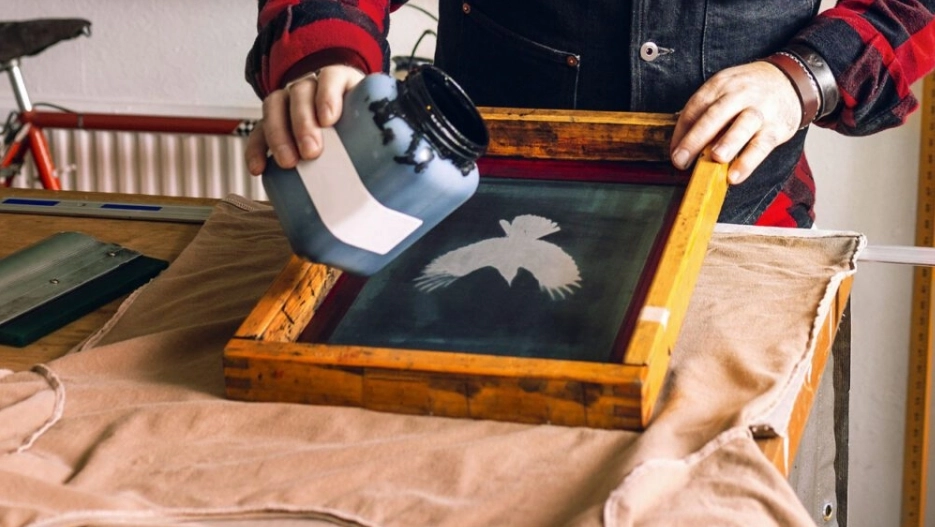
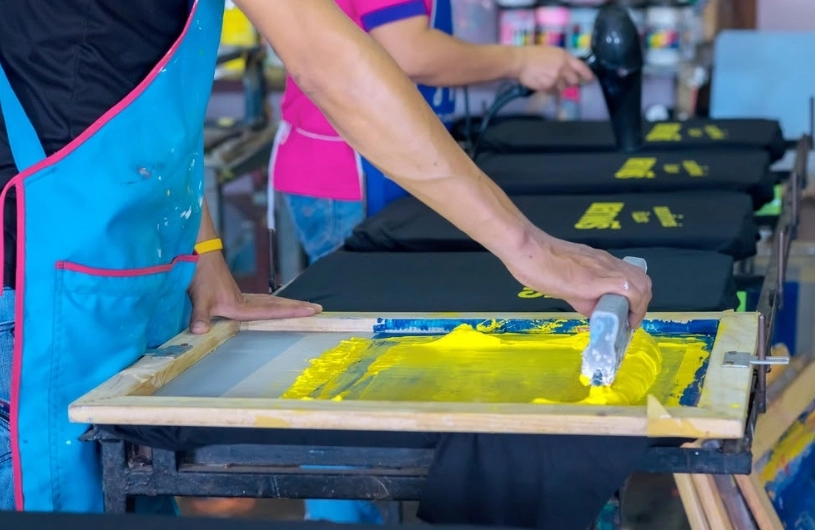
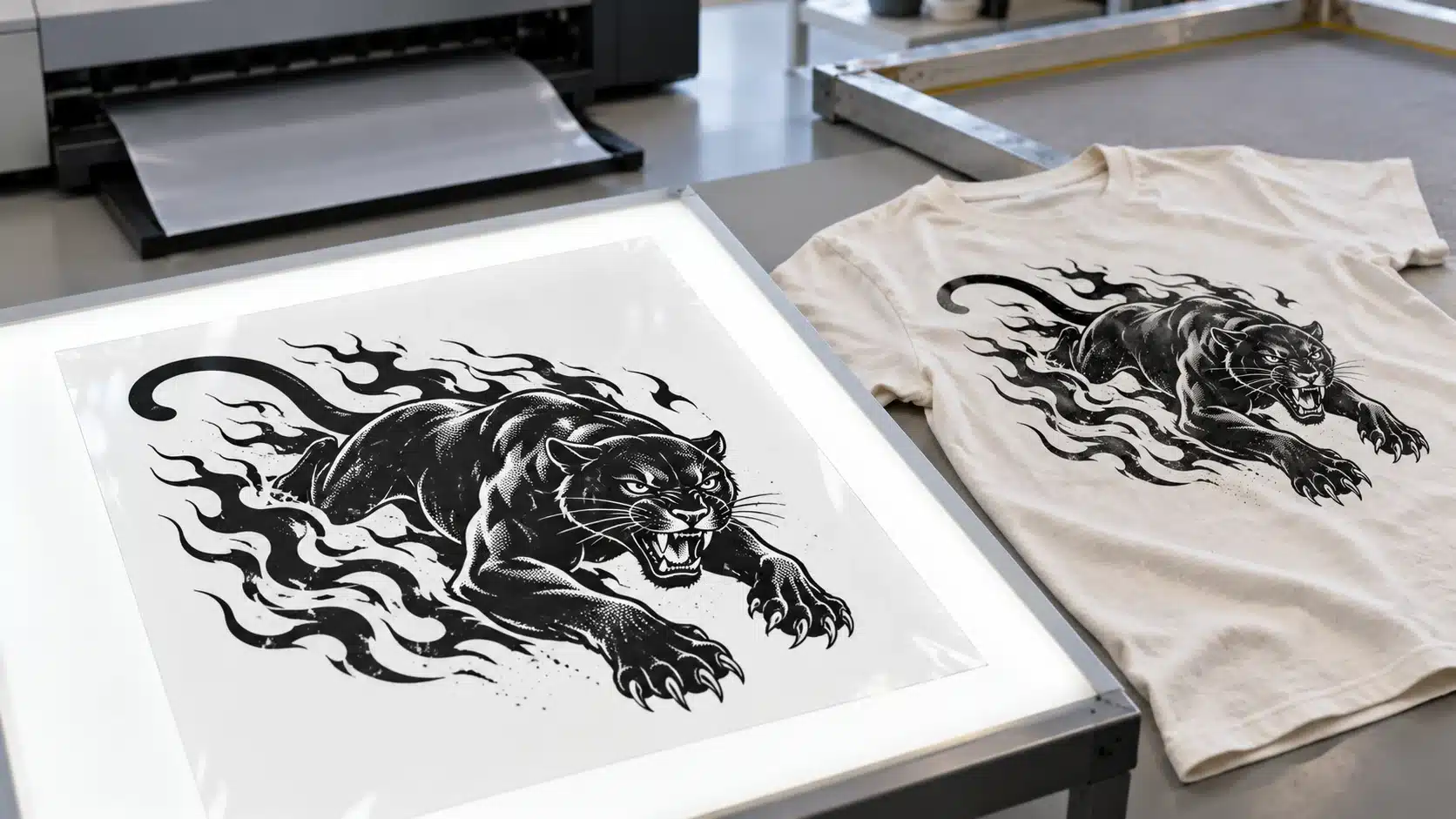
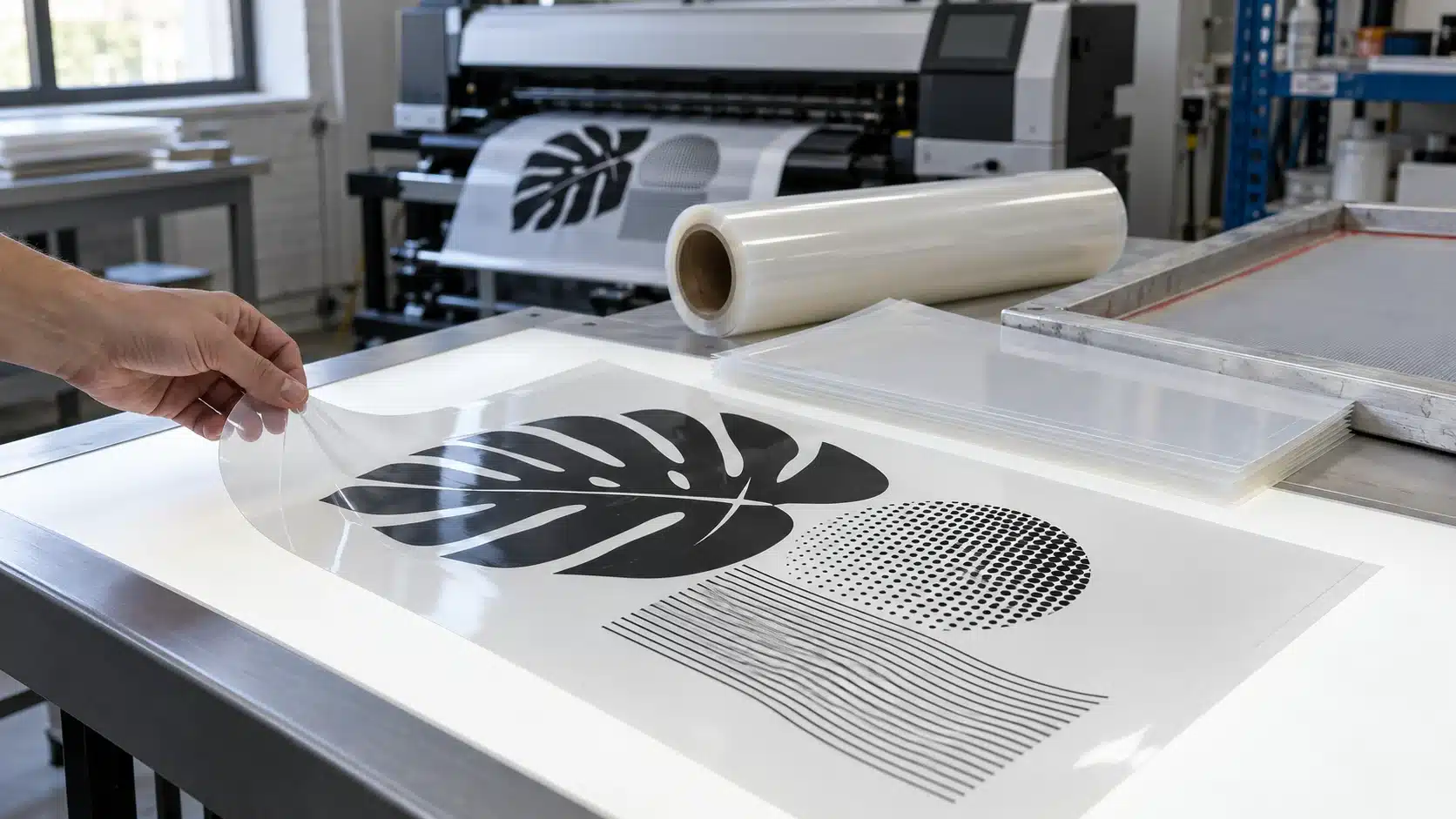
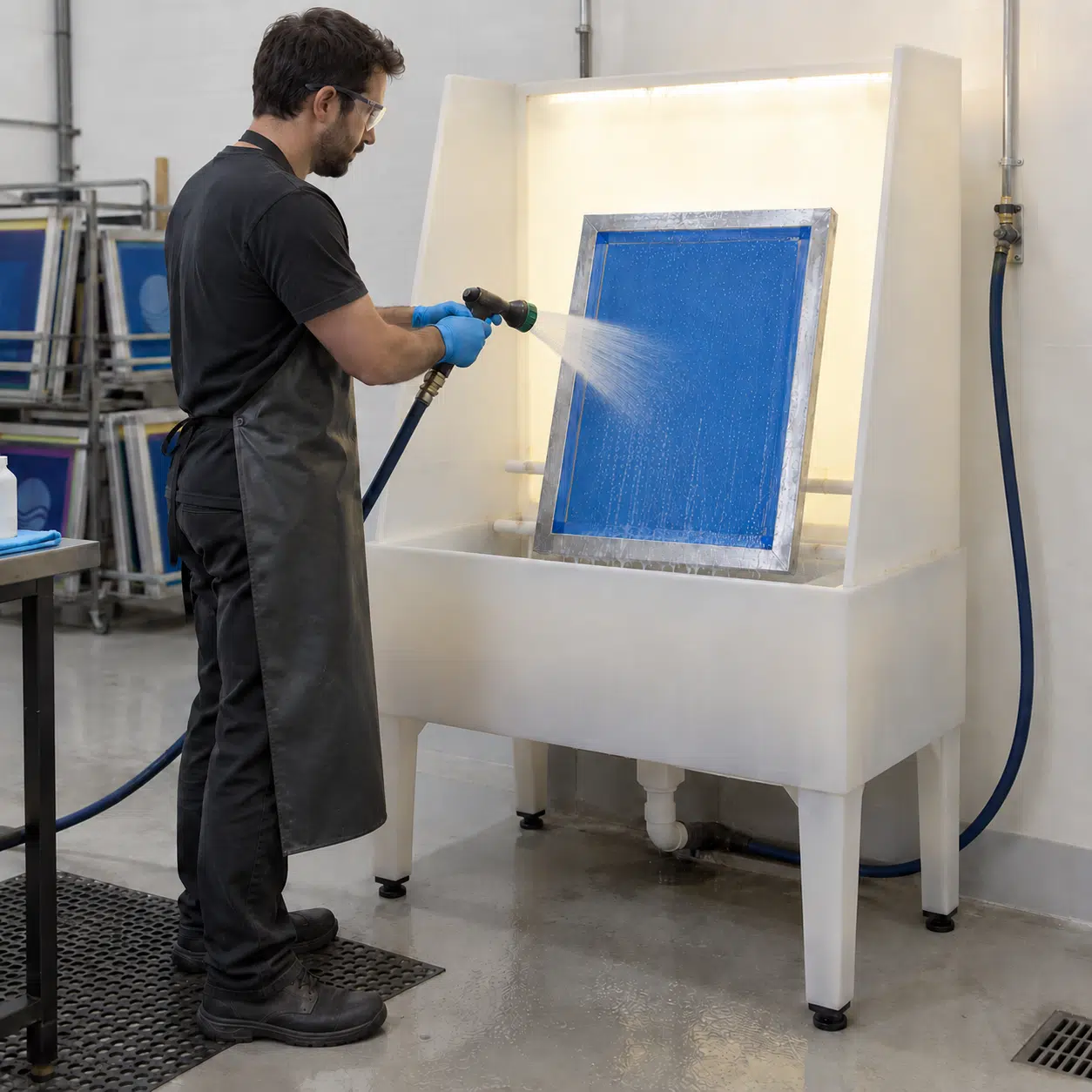
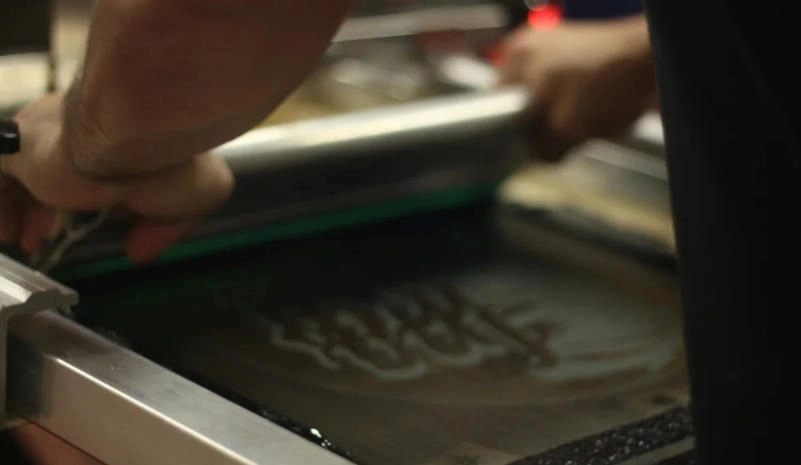
Screen printing is an ink-on-fabric process built around a simple idea: you block the areas you don’t want to print, and push ink through the rest. Your logo is separated into colors, each color becomes a film, and each film is used to expose a stencil on a mesh screen. During production the shirt is loaded onto a platen, the screen swings into place, ink is flooded across the stencil and a squeegee pushes it through the mesh into the fabric. After that, the garment goes through a dryer so the ink fully cures and locks into the fibers. The result is a flat or slightly raised print that can be bold and opaque, especially on cotton tees and hoodies. How sharp your logo looks depends a lot on the tools behind the scenes: mesh count, squeegee hardness, edge quality, and even squeegee pressure. If you’re still tuning your setup, it’s worth revisiting resources like The Ultimate Guide for Screen Printing Squeegees or our Screen Printing Squeegee Durometer Guide.
Advantages of Screen Printing for Logos
Screen printing really comes into its own when you need a loud, confident logo that can be seen from across a room. Think event tees, band merch, sports hoodies, and promo shirts stacked by the hundreds. Opaque white or bright brand colors on dark garments are easier to achieve with a well-dialed screen print than with most other methods. Once you’ve paid for films and screens, the press can run fast, so the cost per piece drops as quantity increases. You can also choose different ink systems: plastisol for strong, durable prints; water-based for a softer hand; or specialty inks like puff, metallic, and high-density if you want texture and effects. For print shops and factories, a stable lineup of mesh, squeegees, and frames, combined with consistent squeegee pressure (see Ultimate Guide to Setting Squeegee Pressure for Perfect Screen Printing), makes it much easier to keep logo quality the same from the first shirt to the thousandth.
Limitations of Screen Printing for Logos
The flip side is that screen printing doesn’t love tiny, one-off jobs with multi-color logos. Every color needs its own screen, so a 5-color logo means five separate stencils to coat, expose, register, print, clean, and store. On an order of 20 pieces that setup time hurts; on 500 pieces it makes sense. Screen printing also has physical limits: very fine lines on rough fabrics like pique polos or heavy fleece can break up, and tiny text can fill in if the art is not prepared correctly for the chosen mesh. If you often print on many different fabrics, you also need to juggle different ink systems and curing profiles, which adds complexity. For very small runs, constantly changing designs, or very small logos on textured garments, embroidery or DTF transfers often give you more predictable results with less setup stress.
What Is Embroidery for Logos?
How Embroidery Works on Garments and Caps
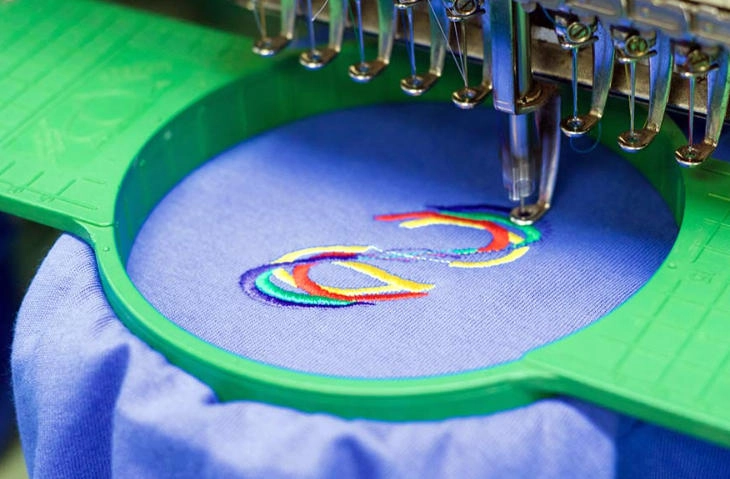
Embroidery decorates a garment by stitching your logo into the fabric with thread. The artwork is first “digitized”—turning shapes and text into a stitch map that tells the machine exactly where each stitch starts, stops, and in what order. The garment is hooped with backing to keep the fabric stable, then loaded onto a multi-head embroidery machine. As the machine runs, needles swap between thread colors and gradually build the logo. This method is especially common on polos, woven shirts, caps, beanies, jackets, aprons, and bags—basically anywhere you want a small, solid mark of identity rather than a big graphic. Many garment manufacturers who buy screen printing mesh and squeegees from Hanze for their print lines also work with embroidery partners for uniforms and caps, using both techniques side by side rather than choosing just one.
Advantages of Embroidery for Logos
The main reason embroidery has never gone out of fashion is simple: it looks and feels premium. Stitches catch the light, the logo is physically raised from the surface, and the garment immediately feels more “finished”. For corporate uniforms, hospitality, schools, medical, and golf wear, a small embroidered crest or wordmark on the chest is often the default choice. Well-digitized embroidery is also extremely durable; good thread and backing will survive repeated industrial washing where cheaper prints might start to crack. Because cost is driven by stitch count, not ink coverage, adding a couple of extra colors to a small logo usually doesn’t blow up your budget. On caps and heavier jackets, embroidery has another advantage: it sits neatly on structured or thick materials where screen printing might crack along seams or fail to sit flat.
Limitations of Embroidery for Logos
Embroidery does have clear limits, and you really feel them with detailed artwork. Thread has thickness, so very small text or ultra-fine lines simply can’t be reproduced cleanly, even with perfect digitizing. Gradients and photo-style shading don’t translate well either; they need to be re-interpreted as blocks or patterns of stitches. On very lightweight or stretchy fabrics, a big embroidered area can pull and distort the garment, or feel scratchy against the skin where backing is used. Stitch count also grows fast with logo size, so a large back embroidery on jackets can become expensive very quickly compared with a screen print. In practice, many brands keep embroidery for smaller chest logos, sleeve badges, and caps, and rely on screen printing or DTF transfers for big, detailed artwork.
Screen Printing vs Embroidery – Key Differences at a Glance
Cost, Durability, Detail & Feel
When you put screen printing and embroidery side by side, a few patterns show up quickly.
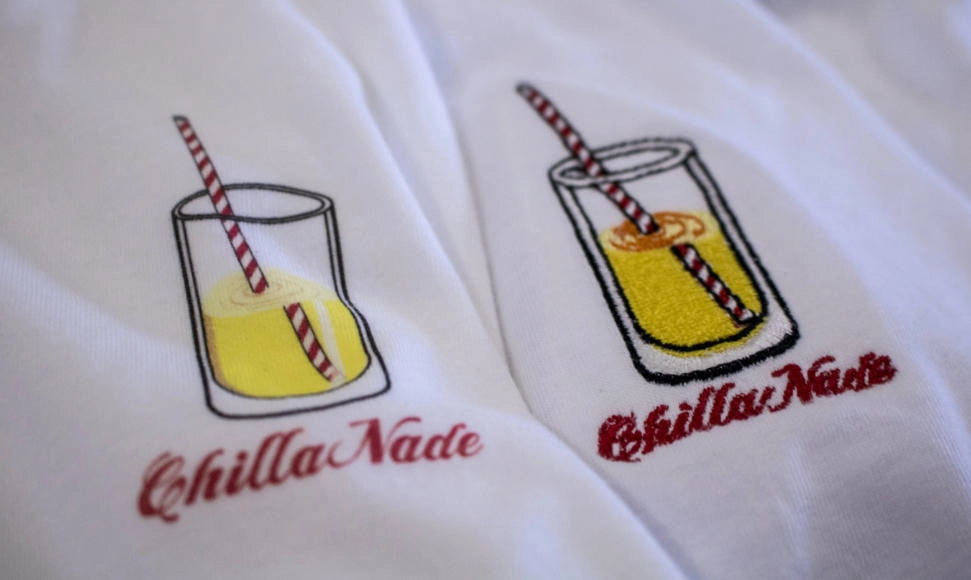
• Cost structure: Screen printing has higher setup cost because you need films and screens for each color, but the price per piece drops hard as quantities rise. Embroidery often involves a one-time digitizing fee, then a fairly predictable per-piece price based on stitch count and logo size.
• Durability: Both can be very durable. Properly cured prints stay flexible and bright, while embroidery tends to shrug off heavy washing and abrasion, especially on workwear.
• Detail: Screen printing can carry small text and fine lines if the mesh, films, and artwork are chosen correctly. Embroidery prefers simpler forms and clear contrasts.
• Feel: Prints lie flatter and can be soft, especially with water-based inks. Embroidery is raised and textured—luxurious in small areas, but heavy if you overdo the size.
A quick way to think about it: big bold graphics and long runs lean towards screen printing; small, “badge-like” logos on more formal garments lean towards embroidery.
Cost Comparison by Order Size and Logo Complexity
Imagine two scenarios. First: a festival organizer wants 800 black t-shirts with a large 3-color logo on the front. Second: a local café wants 24 polos with a 3-color chest logo for staff. In the first case, screen printing wins easily. Yes, you pay to separate colors, make films and screens, set up the press, and dial in registration—but once that’s done, each extra shirt only adds a tiny bit of cost. In the café example, the logo is small but multi-color, and the quantity is low. Embroidery often works out better: one digitizing fee, then each polo runs at a predictable price regardless of color count. If you plan your range for a full season, you might even combine both: embroidered polos for staff, and screen printed t-shirts and hoodies for customer merch.
Durability and Wash Resistance Over Time
From a wearer’s perspective, both methods can last a long time if the production is handled properly. With screen printing, real problems usually come from poor curing, cheap ink, or the wrong mesh and squeegee combination. Under-cured prints feel tacky or start to crack early; over-cured prints can go brittle. A controlled process, regular checks, and basic squeegee maintenance (see Screen Printing Squeegee Maintenance: 5 Essential Tips) make a big difference. Embroidery depends on thread quality, the right backing, and a clean hooping technique. On heavy uniforms, industrial workwear, and caps that live a rough life, embroidery has a slight edge in durability because the logo is physically stitched in. On everyday tees and hoodies with large front graphics, screen printing is usually more comfortable and perfectly durable for normal use.
Detail, Gradients and Photographic Logos
If your logo includes shadows, gradient fills, or tiny tagline text, you need to be realistic about what each process can do. Embroidery can hint at shading by changing stitch direction and density, but it will never look like a photo. Very small text tends to close up, especially on textured fabrics. Screen printing has more room to play: with the right mesh and film output you can run halftones, simulated process, or CMYK for photographic logos, while still hitting a decent level of detail. When customers insist on keeping every little shadow and highlight, many shops now reach for DTF printing as well. If you want to understand how that works and how long those prints actually last, Everything You Need to Know About the DTF Printing Process and DTF Print Lifespan: How Long They Really Last are good starting points.
Comfort, Weight and Breathability
Logos don’t just need to look good on the table—they need to feel right on the body. A properly printed logo is essentially a thin, flexible ink film fused to the fabric. On cotton and cotton-rich blends, especially with softer ink systems, that can feel almost invisible after washing. Large prints can trap a bit of heat in hot climates, but most wearers accept that trade-off for strong graphics. Embroidery, by contrast, always has some bulk. On polos and jackets this is rarely a problem and even feels reassuringly solid. On thin fashion tees or very stretchy sportswear, a big embroidered patch can rub, feel heavy, or distort the garment. As a rule of thumb, keep embroidery relatively small and place it where it won’t interfere with movement; use screen printing or DTF for big front or back artwork.
Which Is Better for Your Logo? A Practical Decision Framework
Start with Your Logo Style and Complexity
Start by being honest about your logo. Is it a simple wordmark and icon, or does it rely on tiny lines, gradients, and fine details to feel “right”? How small will it be on the garment? If you’re aiming for a left-chest logo about 7–9 cm wide, simple shapes and text are perfect for embroidery; detailed crests and gradients are better suited to screen printing or DTF. Many brands end up with two official versions: a simplified “embroidery logo” used at small sizes, and a full “print logo” for large graphics and digital use. If you create both versions upfront, your factory or decorator won’t need to improvise when they run into technical limits.
Consider Fabric Type and Garment Category
Next, look at where your logo will live. Basic cotton t-shirts and hoodies are made for screen printing. The surface is smooth, the fabric can handle heat from flashing and curing, and customers expect a printed feel. Pique polos, dress shirts, caps, beanies, and thicker jackets naturally lean toward embroidery because the texture helps the stitches sit nicely. Performance fabrics and very stretchy blends sit somewhere in the middle. A small embroidered crest can work well on performance polos, but large embroidered areas on lightweight technical tees can feel unpleasant. In those cases, many brands use a small embroidered logo on polos and outerwear, and screen printed or DTF logos on training tees and fanwear.
Order Size, Reorders and Future Expansion
Think about how you actually sell and restock. If you run bulk orders—500 tees for a promotion, 1,000 hoodies for a tour—screen printing almost always gives you the best balance of speed and cost. Once your screens are burned and labeled, repeat orders are straightforward. If your business model is closer to constant top-ups—12 new uniforms for new staff this month, 18 caps next month—embroidery is easier to live with because low quantities don’t punish you as hard on setup. For brands who like to test new designs often, many factories now combine screen printing for core bestsellers with DTF transfers for small experimental runs, using the same heat press equipment they already own.
Brand Positioning and Visual Style
Finally, match the decoration method to the story you’re trying to tell. If your brand lives in offices, hotels, high-end retail or private clubs, customers expect a calm, polished look: neat polos, crisp shirts, subtle jackets, all with small embroidered logos. If you are in streetwear, music, gaming, or youth culture, big screen printed graphics feel natural and give you more design freedom. Many businesses mix both without confusing their audience—staff might wear embroidered polos and jackets, while customers buy printed tees and hoodies with oversized versions of the same logo. The important part is that colors, proportions, and overall style stay consistent, even if the technique changes.
Real-World Scenarios – Screen Printing vs Embroidery in Practice
Corporate Uniforms and Workwear
For corporate uniforms, you usually want three things: a tidy look at reception, durability in daily use, and a reasonable long-term cost. Embroidered logos on polos, button-down shirts, and softshell jackets tick all three boxes. The logo stays sharp through washing, doesn’t fade quickly under air-conditioning or sunlight, and feels appropriate in offices, banks, clinics, or hotels. If the same company also needs event tees, giveaways, or campaign shirts, those pieces are typically screen printed. A uniform supplier or garment factory that can offer both—backed by reliable screen printing consumables from Hanze and a trusted embroidery partner—will always be in a stronger position than one that can only say “yes” to one method.
Sports Teams and Clubs
Sports and club orders are rarely just one garment. You might have match jerseys, training tees, hoodies, track pants, caps, and bags, all in one package. Large numbers and sponsor logos are almost always printed: screen printing handles bold numbers and letters on the back at a price that clubs can afford. Team badges and league logos often end up embroidered on polos, caps, and travel jackets for a more official look. On lightweight performance shirts, a small printed crest can also be a good compromise if players are sensitive to weight and comfort. Many clubs settle into a pattern: embroidered caps and polos for coaches and staff, screen printed jerseys and tees for players and fans.
Promotional Events, Giveaways and Merch
When someone says, “We need 2,000 shirts next month for a roadshow,” screen printing is usually the first word out of a production manager’s mouth. These orders are all about cost per piece and fast turnaround. Logos are kept simple, colors are limited to keep screen counts and press time under control, and the goal is to deliver a big stack of consistent shirts on schedule. Embroidery still has a place in the same campaigns for smaller-run, higher-value items such as caps, tote bags, or dress shirts for key staff. For merch brands that run online stores, a mix is common: staple designs are screen printed in bulk, while limited drops or complex full-color art are produced with DTF transfers.
Small Business, Startups and Creative Brands
Smaller businesses live in the messy middle. They might only need 15 polos and 10 caps for now, but also want a few printed tees to sell or give to early customers. In that situation, an embroidered logo on polos and caps is a safe starting point—clean, professional, and flexible as staff comes and goes. Screen printed tees can be added as budget and demand grow. Creative brands often use their first big printed run as a milestone: once a design proves itself in DTF or small batches, they move it to full screen printing production. That way, they don’t pile up dead stock while still enjoying the lower unit cost that comes with running a well-set screen printing line using quality squeegees and mesh.
Alternatives to Consider – DTF and Other Transfer Methods
When Traditional Screen Printing or Embroidery Isn’t Ideal
Sometimes neither traditional method fits perfectly. Maybe you have a complex full-color logo with texture and shadows that the client refuses to simplify. Perhaps you need ten different designs in small quantities for testing, or you’re working with tricky fabrics like nylon windbreakers or bags where you don’t want to risk misprints. In those cases, pushing everything into screen printing or embroidery can be frustrating and expensive. That’s where transfer-based methods give you a third option: you create the decoration first, stock it, and then apply it to garments as needed.
Using DTF as a Flexible Logo Option
Direct-to-Film (DTF) printing has become a popular way to handle difficult logos and small runs. The design is printed in full color onto a special film, coated with adhesive powder, cured, and then heat pressed onto the garment when needed. Because you’re starting from a digital file, gradients, small text, and detailed artwork are much easier to reproduce than with embroidery. DTF transfers can be stored, applied in batches, and combined with screen printing and embroidery in the same product line. If you are thinking about adding DTF to your mix, How to Make a DTF Transfer with the Right Temperature Settings is a useful process reference, especially when you want consistent results across different fabric types.
How to Prepare Your Logo Artwork for the Best Result
File Formats, Resolution and Vector Setup
Many production headaches start with the wrong file. For screen printing, vector artwork (AI, EPS, editable PDF) is ideal because colors can be separated cleanly, edges stay sharp, and sizing is flexible. If you must send a raster image, ensure it’s at least 300 dpi at the final print size and not a compressed social media graphic. For embroidery, the digitizer will convert your vector logo into a stitch file, but starting from clean curves and well-spaced elements makes their job much easier. It’s worth maintaining a simple internal artwork library with separate files labeled “Logo – Print Version” and “Logo – Embroidery Version” so everyone in your supply chain can pick the right one without guessing.
Simplifying Your Logo for Different Decoration Methods
Even if your designer loves subtle gradients and fine lines, garments have their own rules. On a website or business card, those details sing; on a 5 cm logo stitched onto a textured polo, they can disappear. A practical approach is to create three versions of your logo: a full-detail digital version, a flat-color “print version” optimized for screen printing and DTF, and a simplified “embroidery version” with cleaner shapes and fewer tiny elements. That way, you don’t have to redraw the logo from scratch every time you change garment or technique, and you can keep a consistent visual identity even when you switch between print, stitch, and transfers.
Checklist – Making a Final Decision for Your Logo
Quick Questions to Ask Yourself
When you’re stuck, run quickly through these questions:
• Is the logo simple enough to look clean in embroidery at the size I want?
• Do I need large, bold front or back prints that people can read from a distance?
• Am I ordering a lot of pieces in one go, or small top-ups over time?
• Are the garments mainly tees and hoodies, or mostly polos, caps, and jackets?
• Does my brand lean more casual and bold, or more formal and understated?
If you tick “large prints”, “high quantity”, and “casual”, screen printing (possibly supported by DTF) is probably your main tool. If you tick “small logos”, “steady small reorders”, and “formal”, embroidery will likely sit at the center of your decoration strategy.
Talking to Your Decorator or Factory
Once you’ve answered those questions, involve your decorator or factory early. Show them your logo at the exact size you plan to use, tell them what garments and fabrics you have in mind, and ask which method they think suits it best. Good production partners will talk about mesh counts, inks, and curing for screen printing, or backing and stitch density for embroidery, instead of just saying “it’s fine”. For in-house screen printing teams, investing in the right squeegees, keeping edges sharp, and following best practices like those in How to Clean Screen Printing Squeegee will quietly improve logo consistency and reduce reprints over time.
FAQs – Screen Printing vs Embroidery for Logos
1. Is screen printing or embroidery more durable for work uniforms?
On heavy uniforms and jackets that see a lot of friction and frequent washing, embroidery usually has a slight edge because the logo is made from thread stitched into the fabric. On tees and lightweight garments, a properly cured screen print is more than durable enough for everyday use and is often more comfortable for larger graphics.
2. Which is cheaper for my logo: screen printing or embroidery?
For small quantities with small, simple logos, embroidery is often similar in price—or even cheaper—because you avoid multiple screens and press setup. For larger orders or big front/back designs, screen printing usually wins on cost per piece, especially if you keep the color count under control.
3. Can I use both screen printing and embroidery on the same garment?
Yes, and many brands do. A typical combo is an embroidered logo on the chest and a large screen printed design or message on the back. That way, you get the polished look of embroidery where people shake hands and the impact of print where people see the garment from a distance.
4. What method is best for small, detailed logos with fine text?
If the logo needs to be very small and still readable, screen printing or DTF usually performs better than embroidery, provided the artwork is prepared correctly. Embroidery tends to simplify small text and can make it look heavy or cramped.
5. Is embroidery suitable for stretchy or lightweight performance fabrics?
It can be, but logo size and digitizing become more critical. Big embroidered areas can cause puckering or feel stiff on light performance tees. Keeping the embroidery small and placing it on more stable panels helps; for larger designs on those fabrics, screen printing or DTF is often the more comfortable option.
6. How many colors can I use in a screen-printed logo compared to embroidery?
Screen printing is limited in practice by your press and budget; most shops prefer to keep logos within 1–6 solid colors for efficiency. Embroidery can jump between thread colors more easily, but highly complex blends still need to be simplified into clear stitch areas. For full-color artwork with gradients, DTF or other digital methods are usually the most straightforward.
7. Which method looks more “premium” for corporate or hospitality clothing?
For polos, shirts, blazers, and hotel uniforms, an embroidered logo is still the benchmark for a premium, professional look. Screen printing tends to feel more casual, which is great for staff t-shirts, events, and merch, but less common on formal front-of-house uniforms.
8. What are the best options if I only need a very small quantity of logo garments?
If you need just a few pieces, a small embroidered logo on polos or caps is a safe bet. If your artwork is complex or photo-style, DTF transfers pressed onto blank garments give you clean results without the cost of screens, especially when you follow correct settings like those described in How to Make a DTF Transfer with the Right Temperature Settings.
In the end, neither screen printing nor embroidery is “better” for every situation. The smart move is to understand what each one does well, match it to your logo, fabric, and order pattern, and then build relationships and tooling around that decision—whether that means a strong screen printing setup with quality squeegees and mesh, a trusted embroidery partner, or a flexible DTF system sitting in between.